Contemporary architecture: a complete guide

The world is changing fast. Cities are growing. Climate is changing. New technologies are transforming how we design and build. Architecture responds to all of this.
Contemporary architecture is not a fixed style. It is a living practice. It evolves with time, technology, and human needs.
This guide explains what contemporary architecture is. It describes its main features. It shows how it differs from modern architecture. And it explores the materials that are shaping buildings today.
What is the meaning of contemporary architecture?
Contemporary architecture is the architecture of today. It reflects how we build now. It responds to new technologies, environmental challenges, and social change.
It is not a single style. It does not follow rigid rules. It changes as the world changes.
A contemporary building is designed to reduce its environmental impact, improve quality of life, use advanced materials, integrate technology, and connect with its surroundings.
Contemporary architecture also looks beyond the single building. It considers cities, landscapes, infrastructure, and community life.
Main features of contemporary architecture
Contemporary buildings can look very different from one another. But some features appear consistently.
- Sustainability. Sustainability is now a basic requirement.
Buildings must reduce energy use and carbon emissions. Architects design facades that improve insulation. They use renewable energy systems. They plan natural ventilation carefully.
Green roofs, solar panels, and rainwater collection systems are increasingly common. They are no longer exceptional choices. They are standard practice. - Natural light. Natural light is central to contemporary design.
Large windows and glass facades bring daylight deep into interiors. This reduces the need for artificial lighting. It also improves comfort and wellbeing.
Light creates atmosphere. It defines space. It connects inside and outside. In contemporary architecture, working with natural light is a core design skill. - Open and flexible spaces. Contemporary buildings often have open floor plans.
Spaces flow into each other. Walls are reduced. Interiors feel larger and easier to adapt.
In homes, rooms are designed to change function. A space can be a living room in the morning and a workspace in the afternoon. Flexibility matters because lifestyles are changing. - Advanced materials. Materials are chosen carefully.
Steel and glass are widely used. Concrete remains important. Engineered wood is growing as a sustainable alternative.
New facade systems combine thermal performance with strong visual identity. The choice of material communicates values and responds to climate. - Digital design and technology. Contemporary architecture is deeply connected to digital tools.
Parametric software allows architects to design and test complex forms quickly. BIM improves coordination between all teams on a project. Digital fabrication allows precise, low-waste production.
Technology is also about performance. Smart systems monitor and adjust energy use in real time. Buildings are becoming more responsive to the people inside them.
One material that has become especially relevant today is expanded metal.
Expanded metal is made by cutting and stretching a flat metal sheet in a single operation. No material is removed. The result is a lightweight, open mesh with a strong and rigid structure.
It is now used in some of the most iconic contemporary buildings in the world.
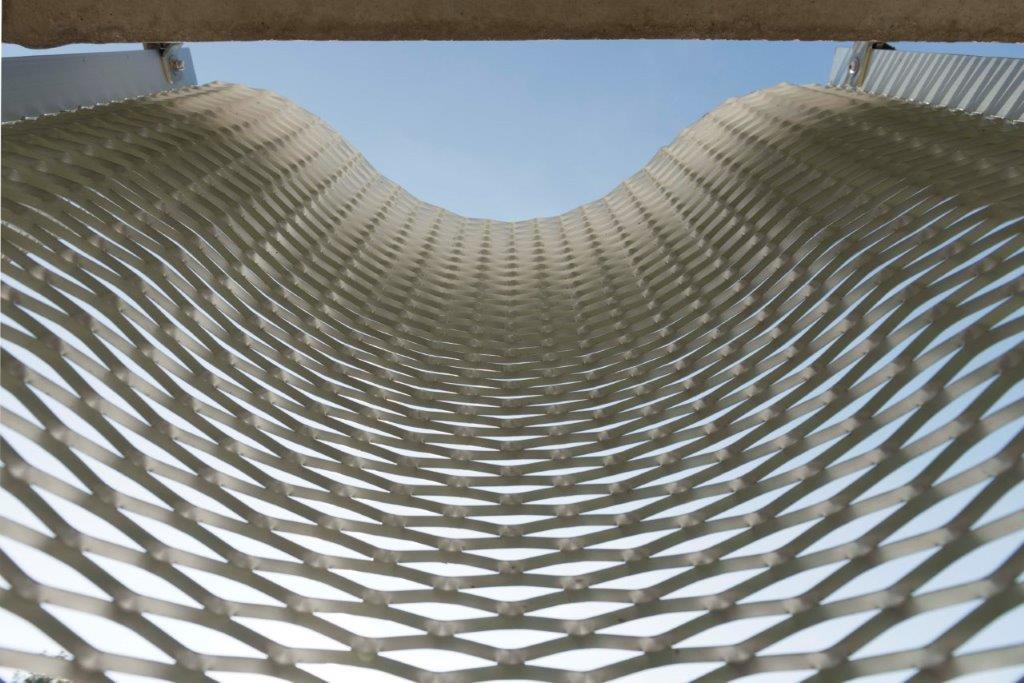
- It creates dynamic shapes. Expanded metal can be shaped into curves and wave-like forms.
These shapes add movement to a facade. They create rhythm and depth. A flat surface becomes a dynamic element that changes appearance depending on the viewing angle and the time of day.
The result is a strong visual identity with very little added weight. - It works well with glass facades. Expanded metal is often applied as a second skin over a glass facade.
This combination offers clear advantages. The mesh filters light and reduces glare. It limits solar gain and improves thermal comfort. It adds privacy without blocking views or the connection between inside and outside.
This layered effect is one of the most elegant solutions in contemporary facade design. - It plays with light and shadow. As sunlight passes through the mesh, it creates patterns on interior surfaces.
These patterns change throughout the day. They move with the sun. The interior of the building feels alive and connected to the outside environment.
Light becomes more than a functional element. It becomes part of the architectural experience. - It supports sustainability. Expanded metal is often made from recyclable materials, including aluminum and steel with high recycled content.
Its production generates very little waste. The open mesh structure uses less material than a solid panel of the same size. It is also lightweight, which reduces the structural load and the amount of material needed to support it.
For architects focused on sustainability, these are real advantages. - It lasts and requires little maintenance
Expanded metal is durable. It resists weather, mechanical stress, and UV exposure.
Coated or anodized versions maintain their appearance for many years with minimal upkeep. This reduces long-term costs for the building owner and lowers the environmental impact of maintenance over the life of the building.
What is the difference between contemporary architecture and modern architecture?

Many people confuse these two terms. They are not the same.
Modern architecture
Modern architecture developed in the early to mid-20th century.
It broke with historical styles. It embraced new industrial materials like reinforced concrete and steel. It focused on function, clean lines, and the removal of decoration.
The idea that “form follows function” was central. Key figures include Le Corbusier, Mies van der Rohe, and Walter Gropius.
Contemporary architecture
Contemporary architecture is not tied to a historical period.
It is more flexible and pluralistic. It mixes approaches. It responds to specific places, climates, and cultures.
Above all, it places sustainability at its center. The environmental urgency we face today did not exist in the same form in the 20th century. Contemporary architecture must respond to it directly.
Modern architecture was innovative for its time. Contemporary architecture builds on that legacy and applies it to today’s challenges.
Who are the most famous contemporary architects?
A few key figures have shaped contemporary architecture worldwide.
Zaha Hadid designed fluid and dynamic buildings that seem to be in motion. Her work pushed structural engineering and digital fabrication to new limits.
Frank Gehry creates bold sculptural forms. The Walt Disney Concert Hall in Los Angeles is one of his most recognized projects. Its steel surfaces reflect light and create constant movement.
Jean Nouvel focuses on context and light. His buildings respond to the climate, culture, and the identity of each place. He combines advanced technology with local meaning.
SANAA, the practice of Kazuyo Sejima and Ryue Nishizawa, designs minimal and transparent buildings. Spaces feel open and calm. Boundaries between inside and outside dissolve. Their work is some of the most refined in contemporary architecture.
Renzo Piano is known for buildings that combine technical precision with human sensitivity. His work pays close attention to light, materials, and the relationship between architecture and its urban context. The Centre Pompidou in Paris, co-designed with Richard Rogers, and the Shard in London are among his most recognized projects.
Santiago Calatrava designs structures that blur the line between architecture and engineering. His buildings often resemble living forms — bones, wings, and shells. The City of Arts and Sciences in Valencia is one of the most dramatic examples of his approach to space and structure.
Tadao Ando works primarily with raw concrete. His architecture is quiet and meditative. Light enters through carefully placed openings and transforms throughout the day. The Church of the Light in Osaka is one of his most celebrated works. Ando shows how simplicity and material honesty can create deeply powerful spaces.
What are some examples of contemporary architecture?

Contemporary architecture can be found in every part of the world.
The Guggenheim Museum Bilbao by Frank Gehry transformed an entire city. It showed how a single building can act as a cultural and economic catalyst.
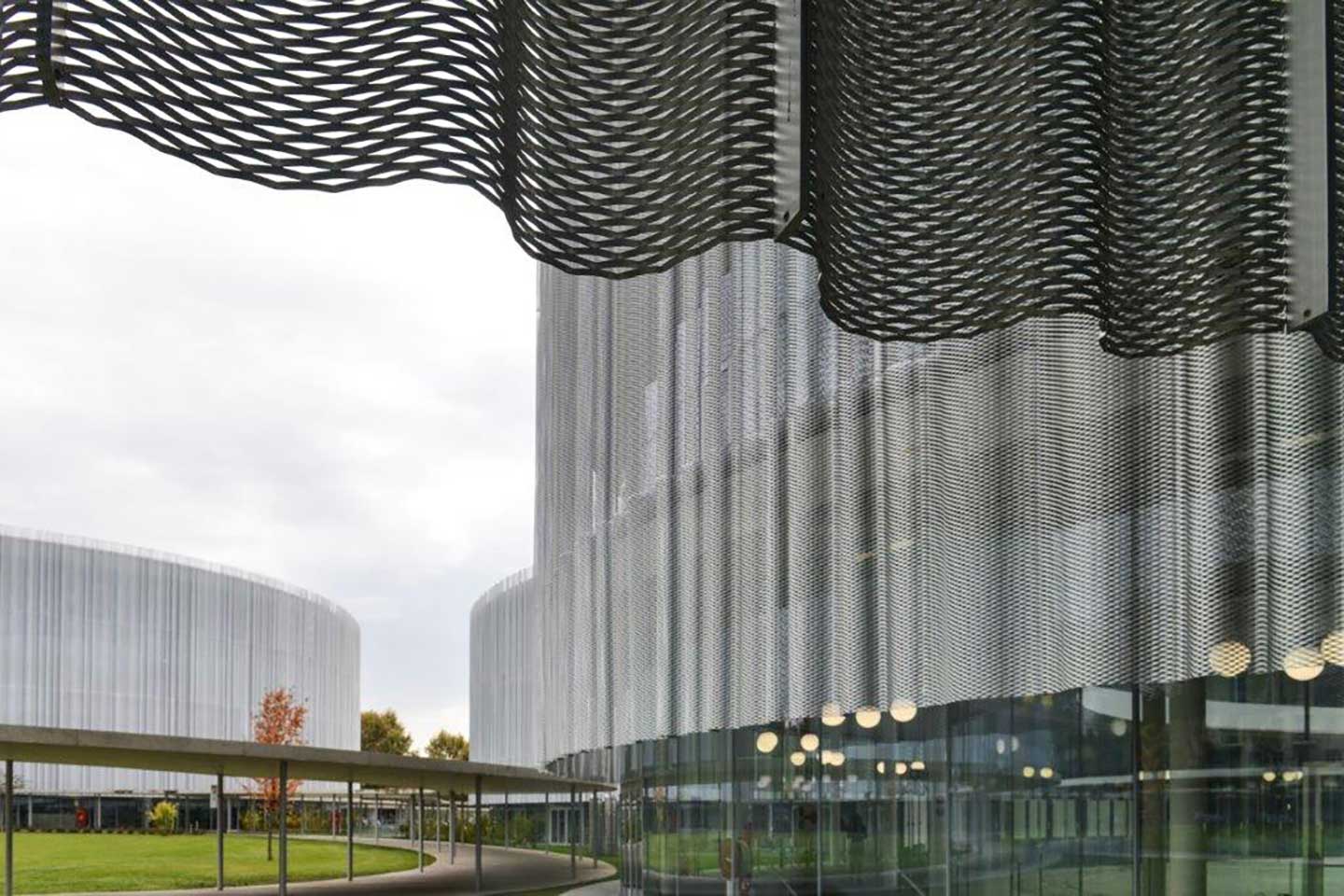
The Bocconi University Urban Campus in Milan, designed by SANAA, is a strong example of contemporary architecture in an academic setting.
The building has a transparent glass facade. Expanded metal mesh is applied over parts of it in soft, wave-like panels. The mesh filters light, creates moving shadow patterns during the day, improves thermal performance, and adds depth to the exterior.
It is a clear example of how material choice can serve aesthetics, function, and sustainability at the same time.
The Heydar Aliyev Center by Zaha Hadid Architects is a continuous fluid form. It challenges the traditional separation between floor, wall, and roof.
Bosco Verticale in Milan integrates dense vegetation into two residential towers. It shows how contemporary residential architecture can contribute to urban biodiversity and improve life for its residents.
What is contemporary architecture?
It is the architecture being built today. It reflects current technologies, materials, and environmental concerns. It changes as the world changes.
Is it the same as modern architecture?
No. Modern architecture belongs to the 20th century. Contemporary architecture refers to design happening now, with a strong focus on sustainability and technology.
What materials are most common in contemporary buildings?
Steel, glass, concrete, engineered wood, and expanded metal mesh. Material choice always reflects functional, aesthetic, and environmental needs.
Who are the key figures in contemporary architecture?
Zaha Hadid, Frank Gehry, Jean Nouvel, and SANAA are among the most influential. But contemporary architecture involves thousands of practices working at every scale, in every part of the world.
