The finest qualities of architectural expanded metal mesh
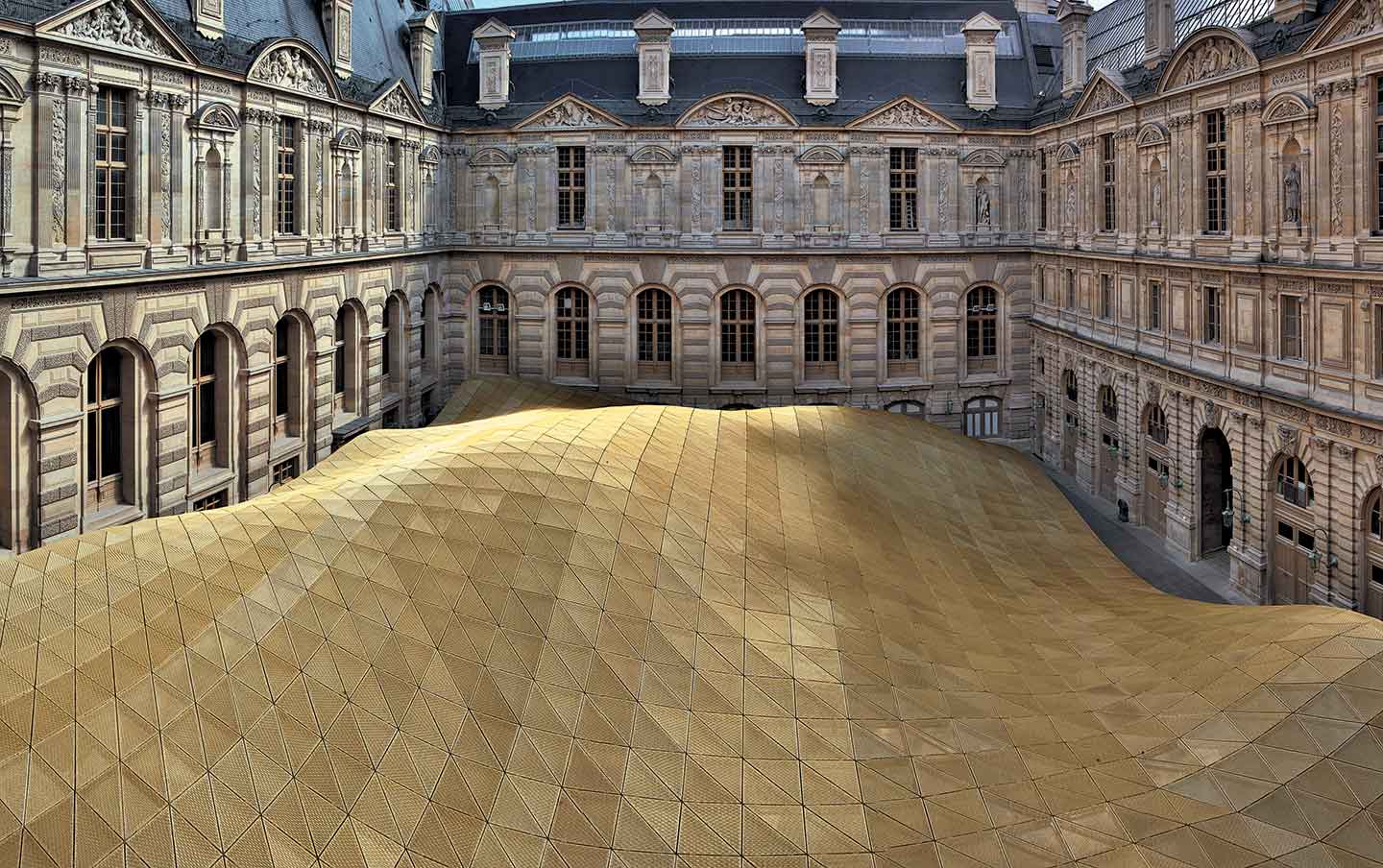
It is an element that manages to enhance and personalise both indoor and outdoor spaces. Its characteristics make it highly appreciated and considered by architects and designers to leave a mark on their works. Let’s discover how architectural expanded metal mesh adds value to structures.
What is architectural metal mesh?
Metal mesh is generally a barrier or screen. It consists of interconnected metal strands that form a net or web-like structure. Metal mesh can be produced by a number of processes.
These include:
- expansion;
- etching;
- weaving;
- knitting.
For what regards expanded metal, it is produced by simultaneously slitting and stretching the material. This results in a distinctive diamond pattern mesh with raised strands at an angle to the plane of the sheet, creating a textured product.
After manufacture, these sheets or panels can be rolled to produce either a flattened or raised final product.
Expanded metal mesh is an incredibly versatile material. In the construction sector it has many applications such as:
- walkways;
- fencing;
- shelving;
- sound insulation;
- balustrades;
- building facades;
- ceilings.
It is easy to see why expanded metal mesh is an architectural material. Building facades, for example, gain personality and stand out in both urban and suburban contexts.
It is a complementary element that blends well with other building materials, from glass to concrete. Its patterns add lightness and movement to the whole structure, even within the rooms in which it is integrated.
What is architectural mesh used for?

As an architectural design element, expanded metal mesh adapts to different contexts. It is a viable solution for the facades of:
What these places have in common is their social purpose and the desire to make them recognisable in the context in which they are located. An expanded metal cladding with different shapes, colours and materials eliminates the risk of anonymity.
At the same time, expanded metal mesh helps to give buildings such as:
- car parks;
- warehouses;
- storage facilities;
- industrial and manufacturing structures.
For example, it can significantly reduce their impact on the surrounding environment and landscape. As mentioned earlier, the openings in the mesh also allow air to circulate and outside light to enter. This makes enclosed workspaces safer.
What is the best way to paint expanded metal?

Expanded metal meets all the requirements of an architectural project, including colour. This plays a very important role, especially when the metal is to be used for the facade of a building or to become a valuable design element.
Painting expanded metal requires advanced techniques to ensure long life and resistance to external factors.
In addition to painting, expanded metal can also be anodised, which is useful to ensure the longevity of the final product.
Anodised expanded metal mesh is used in building facades to ensure a distinctive and aesthetically pleasing element. It is also an excellent solution for solar shading in building design since it contributes to the overall architectural style and provides shading solutions that control sunlight penetration.
What is mesh for interior design?
The expanded metal mesh is also a significant decorative component when it comes to interior design. Waves and patterns add an artistic flair to walls and transform furniture, lighting and other design elements.
The growing attention among interior designers for decorative metal mesh can be attributed two mains reasons:
- aesthetics;
- durability.
It can bring contemporary or vintage touch to spaces and it is easy to maintain. The decorative feature guarantees, at the same time, a strong resistance to time and accidents.
