Stainless steel expanded metal: what you need to know

Expanded metal is an architectural and design element that, among its many positive aspects, enhances the potential of many metals. Stainless steel is one of these, thanks to its characteristics. Let’s find out why.
Can stainless steel be stretched?
Stainless steel expanded metal is a type of mesh made from stainless steel sheets which are specially cut and stretched to form a mesh pattern. The material is especially good at resisting rust and corrosion. So this solution is ideal for many different uses, including both practical and decorative purposes.
The production process starts with a solid sheet of stainless steel that is cut and stretched at the same time to create the openings that form a mesh. The method does not produce any waste: the material, in fact, is simply stretched and not removed.
The final result is a mesh made of stainless steel with various shapes, such as diamonds, squares, or hexagons which has a particular strength and resistance thanks to the two main qualities of stainless steel.
In this way, stainless steel expanded metal mesh finds place in many industries.
- Industrial: walkways, protective guards, and screens for machines.
- Architectural: building exteriors, to shade areas from the sun, and in interior design.
- Security: fences, gates, and protective grilles.
- Automotive: car grilles, heat shields, and filters.
What additional metal is always present in stainless steel?
Stainless steel is a kind of steel that is particularly well known for its corrosion resistance. It is an alloy. It is made by combining several different metals together:
- iron;
- chromium (at least 10.5%);
- other elements like nickel and manganese.
The chromium in stainless steel is key because it forms a passive layer of chromium oxide on the surface which protects it against rust and other forms of corrosion. This makes stainless steel an ideal material for many applications where both the strength of steel and resistance to corrosion are required.
Stainless steel is categorized into four different groups based on structural characteristics and chemical composition.
- Austenitic: non-magnetic, highly ductile, and good corrosion resistance. It is used in kitchenware, industrial piping, and in buildings.
- Ferritic: magnetic, less ductile than austenitic, and good corrosion resistance. It is commonly used in appliances and automotive applications.
- Martensitic: strong, magnetic, and less corrosion resistant. It is often used for knives and other cutting tools.
- Duplex: a combination of austenitic and ferritic, it offers both strength and corrosion resistance. It is used in environments such as offshore oil rigs.
Does stainless steel rust?
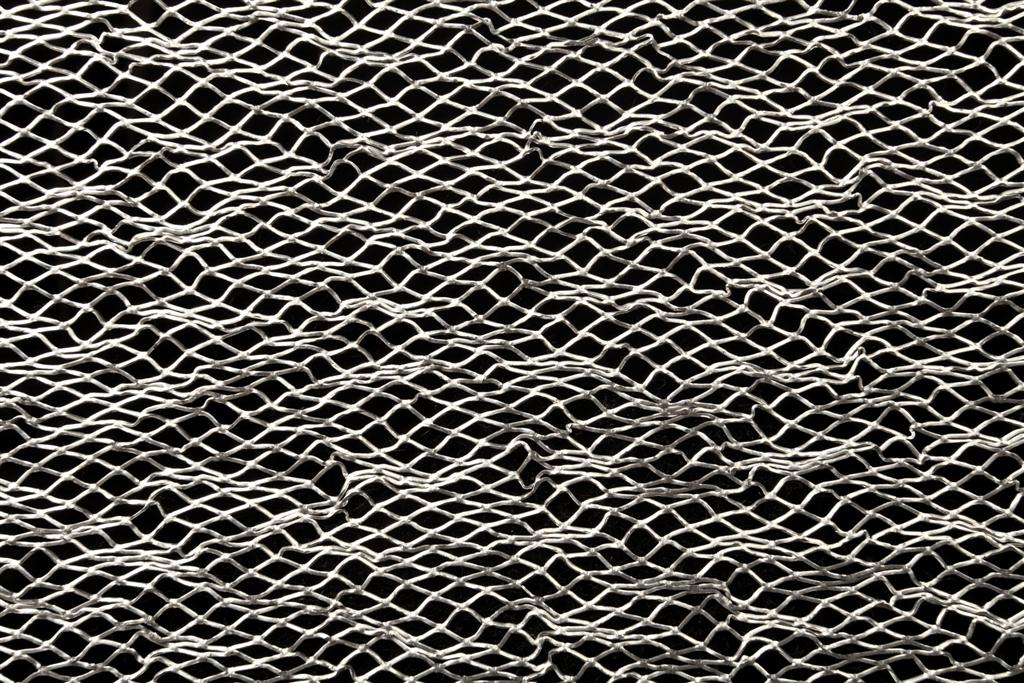
Stainless steel is renowned for its exceptional resistance to rust, a characteristic that sets it apart from regular steel. This rust-resistant property is primarily due to its unique chemical composition and the formation of a protective layer on its surface.
- As previously analysed, stainless steel is at its core an alloy predominantly composed of iron, with a minimum of 10.5% chromium content. Many stainless steels also contain nickel, which can make them both tougher and easier to work with.
- The key to stainless steel’s rust resistance lies in the behaviour of chromium when exposed to oxygen. Upon exposure, chromium reacts with oxygen to form a thin, invisible layer of chromium oxide on the steel’s surface.
- This layer acts as a barrier, preventing oxygen and moisture from reaching the underlying iron, thereby inhibiting the formation of rust.
- Remarkably, if this layer is damaged, it has the ability to self-repair, provided there’s sufficient oxygen in the environment.
In contrast, regular steel, which lacks sufficient chromium content, is prone to rust when exposed to moisture and air.
- The iron in regular steel reacts with oxygen to form iron oxide, commonly known as rust.
- This rust layer is porous and can flake off, exposing fresh metal beneath, which then continues to corrode.
- This process compromises the integrity and appearance of the metal over time.
While stainless steel is highly resistant to rust, certain conditions can compromise its protective layer.
- Exposure to harsh chemicals, saline environments, or elevated temperatures can degrade the chromium oxide layer, leading to potential corrosion.
- Therefore, selecting the appropriate grade of stainless steel for specific environments and ensuring proper maintenance are crucial to preserving its rust-resistant properties.
Properly treated stainless steel thus becomes a very important architectural element that can find its place in outdoor solutions such as buildings’ facades or certain details of them. One medium that enhances this function is undoubtedly expanded metal.
How is stainless steel used in architecture?

Stainless steel is widely used in architecture due to its durability, aesthetic appeal, and corrosion resistance. It is not surprising that it is a suitable material for expanded metal. Stainless steel expanded metal finds its place in various applications.
- Facade cladding. Stainless steel is often used for facade cladding due to its sleek, modern appearance and its ability to withstand harsh environmental conditions without deteriorating. It can be finished in various ways, such as brushed, polished, or textured, to create unique visual effects on buildings.
- Fencing. Its robustness makes it ideal for secure, durable fencing that is resistant to weather and wear. It is also visually appealing, which makes it a popular choice for both safety and design.
- Sun screens. Expanded metal can be used to create sun screens and shades that protect against direct sunlight and allow natural light to penetrate, helping to manage heat and light in building interiors.
- Decorative elements. Architects often use expanded metal for decorative elements, utilizing its range of patterns and finishes to enhance aesthetic and architectural interest.
