Architecture and sustainability: principles, strategies and materials
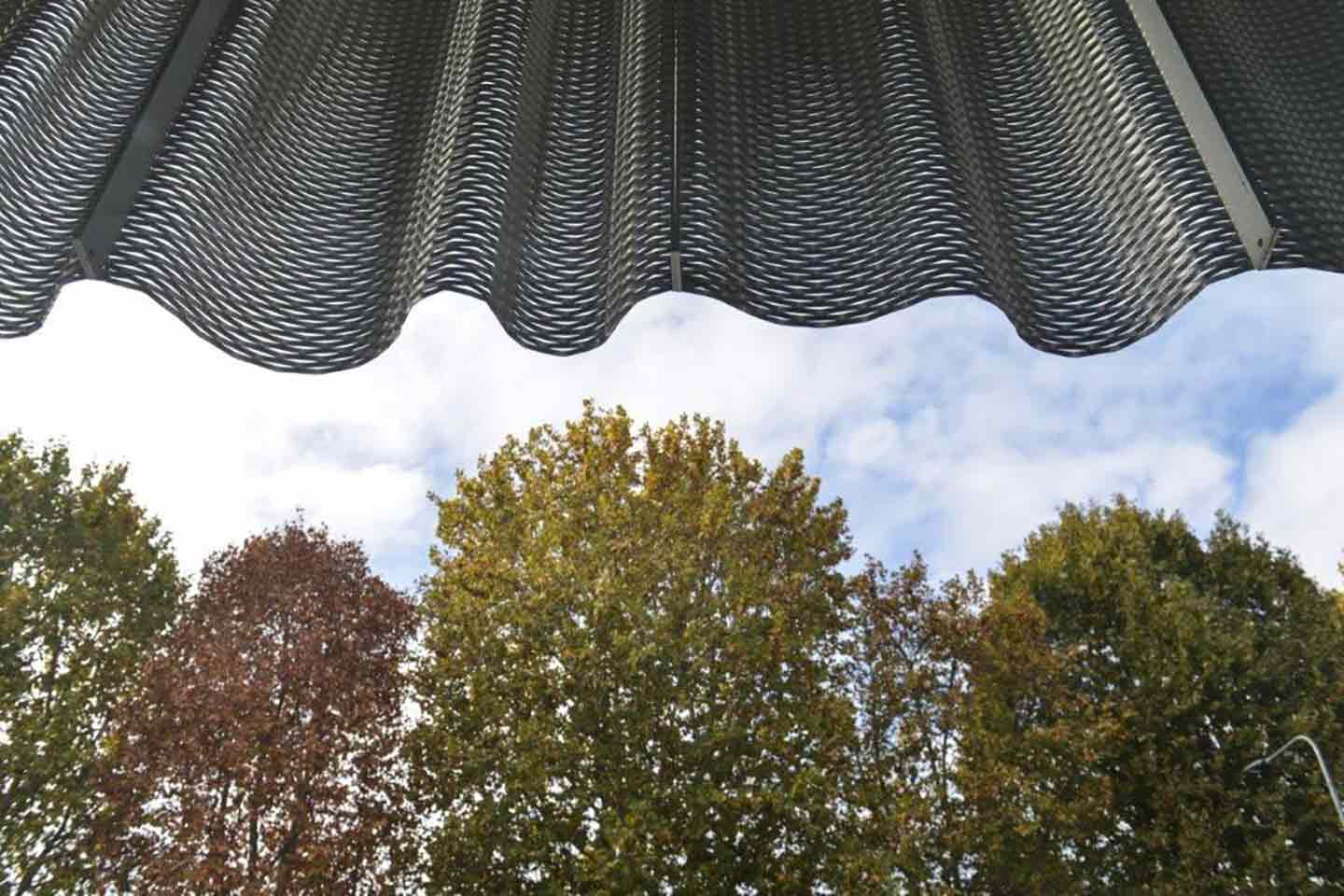
Architecture and sustainability are converging to reshape the way buildings are designed, built and maintained. Sustainable architecture reduces the environmental impact of buildings through smart design, innovative materials and renewable energy sources.
By making sustainability a priority, architects and developers are addressing global challenges such as climate change, dependence on fossil fuels and high CO2 emissions.
What is sustainable architecture?
Sustainable architecture is an approach to design that creates buildings working in harmony with nature: buildings that use less energy, reduce waste and are made from sustainable materials.
It plans for the entire life cycle of a building, from construction to demolition, with the aim of creating energy-efficient structures that improve the quality of life of the people who use them.
Sustainability in architecture is not just a choice: it is essential. Sustainable architecture aims for buildings that are attractive, eco-friendly, energy-efficient and cost-effective at the same time, finding the balance between environmental responsibility and functional design.
Sustainable architecture combines four levers to reduce the impact of buildings:
- new technologies, such as photovoltaic glass and home automation systems, which cut energy consumption;
- smart design, which positions and shapes a building to use less energy and generate less waste;
- renewable energy, such as solar panels, which reduces reliance on fossil fuels;
- sustainable materials, chosen for durability and a lower environmental impact.
How does sustainability relate to architecture?
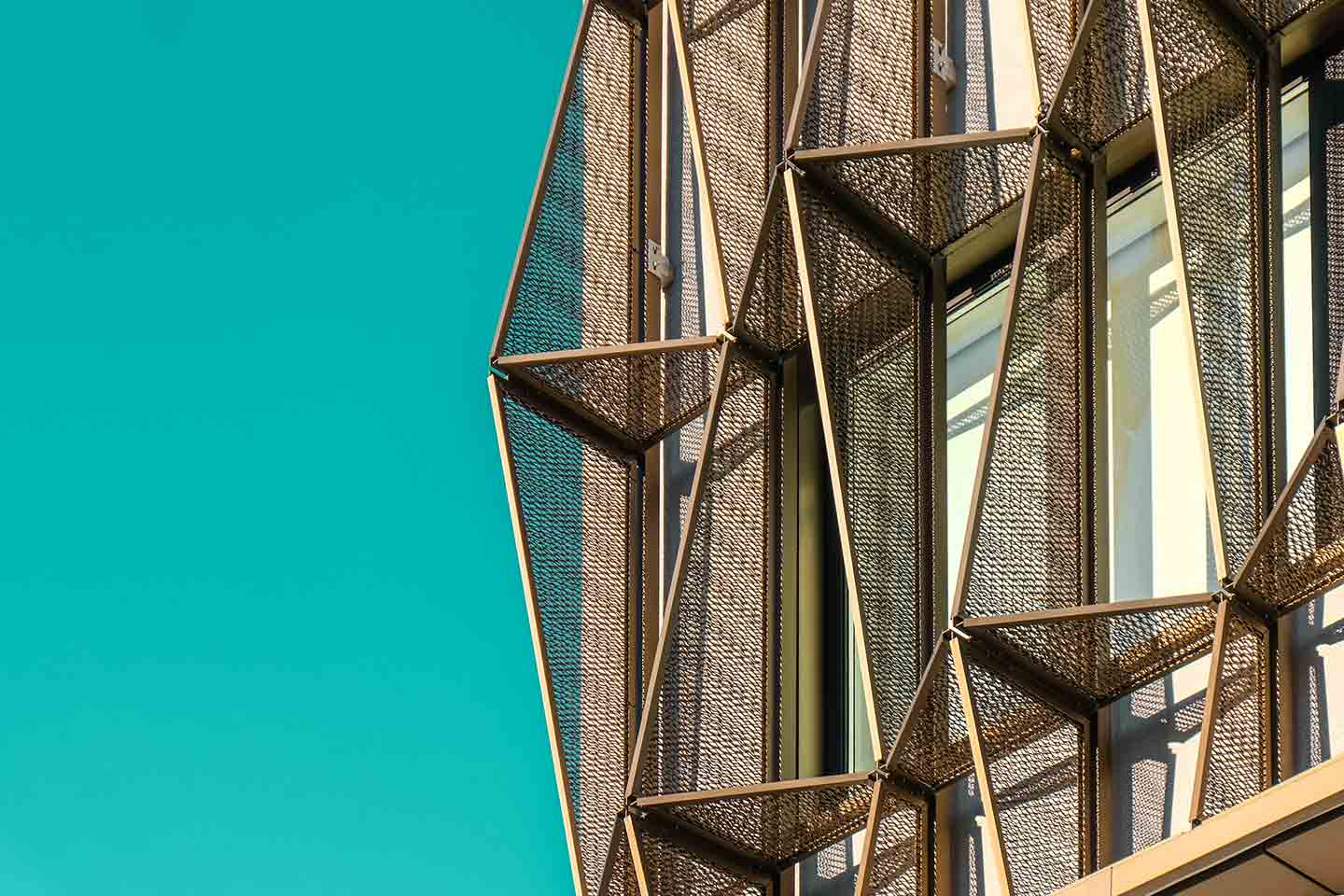
Sustainability relates to architecture because design decisions determine how much energy, water and material a building consumes over its life. Architects and developers now plan for the entire life cycle of a building, from construction to demolition, to reduce that impact while keeping buildings practical and efficient.
Green choices are becoming key elements in building design. Solar panels, green roofs and recycled materials all help to reduce the carbon footprint of a building. The main levers of sustainable building design are:
- stricter building codes – cities are introducing stricter building codes and offering incentives to promote sustainable construction, a collective effort to protect the environment and build a sustainable future;
- renewable energy – renewable energy is one of the most effective ways to reduce the environmental impact of a building. Solar panels generate clean energy, reducing reliance on fossil fuels and cutting CO2 emissions. Solar-integrated facades and photovoltaic glass bring solar technology into the building envelope, combining sustainability with modern design;
- green roofs – they improve insulation, reduce energy consumption, support urban wildlife and manage rainwater, helping to prevent excessive water consumption;
- home automation – Home automation systems allow homeowners to monitor and control energy use, especially for heating. Combined with energy-efficient appliances, home automation reduces the carbon footprint of a home and lowers energy bills.
What strategies do architects use to make buildings sustainable?
Architects make buildings sustainable through seven key strategies: smart site planning, compact and efficient design, energy efficiency, water conservation, healthy indoor air, sustainable materials and climate-responsive design.
- Smart site planning. Before starting a design, architects study the climate, plants, wind patterns and natural features of the site, then position the building to maximise sunlight and natural airflow with minimal impact on the environment.
- Compact and efficient design. Sustainable buildings use space wisely: architects reduce areas such as hallways and services, maximise usable space and use building systems that cut construction waste.
- Energy efficiency. Architects add insulation, energy-efficient windows and renewable energy systems such as solar panels and geothermal energy. Some buildings produce their own power, reducing the need for non-renewable energy sources.
- Water conservation. Water-efficient design includes special plumbing fixtures, greywater reuse, rainwater collection and landscapes that need little watering, which save water and protect local resources.
- Healthy indoor air. Architects use non-toxic, low-chemical materials and provide plenty of natural light and ventilation. Indoor plants improve air quality and bring a natural feel to the space.
- Sustainable materials. Locally sourced and natural materials are preferred because they are eco-friendly, durable and often recycled. Locally sourced materials reduce the environmental impact of construction and lower costs in the long run.
- Design for the climate. Architects adapt buildings to local weather conditions with shading, passive cooling and energy-efficient layouts, creating spaces that stay comfortable while using less energy.
The role of architects in sustainable development is to combine creativity with responsibility. By designing buildings that blend with their surroundings and meet the highest standards of efficiency, architects reduce carbon footprints, improve indoor environmental quality and shape a built environment that supports a sustainable future.
What are the three main principles of sustainability in architecture?
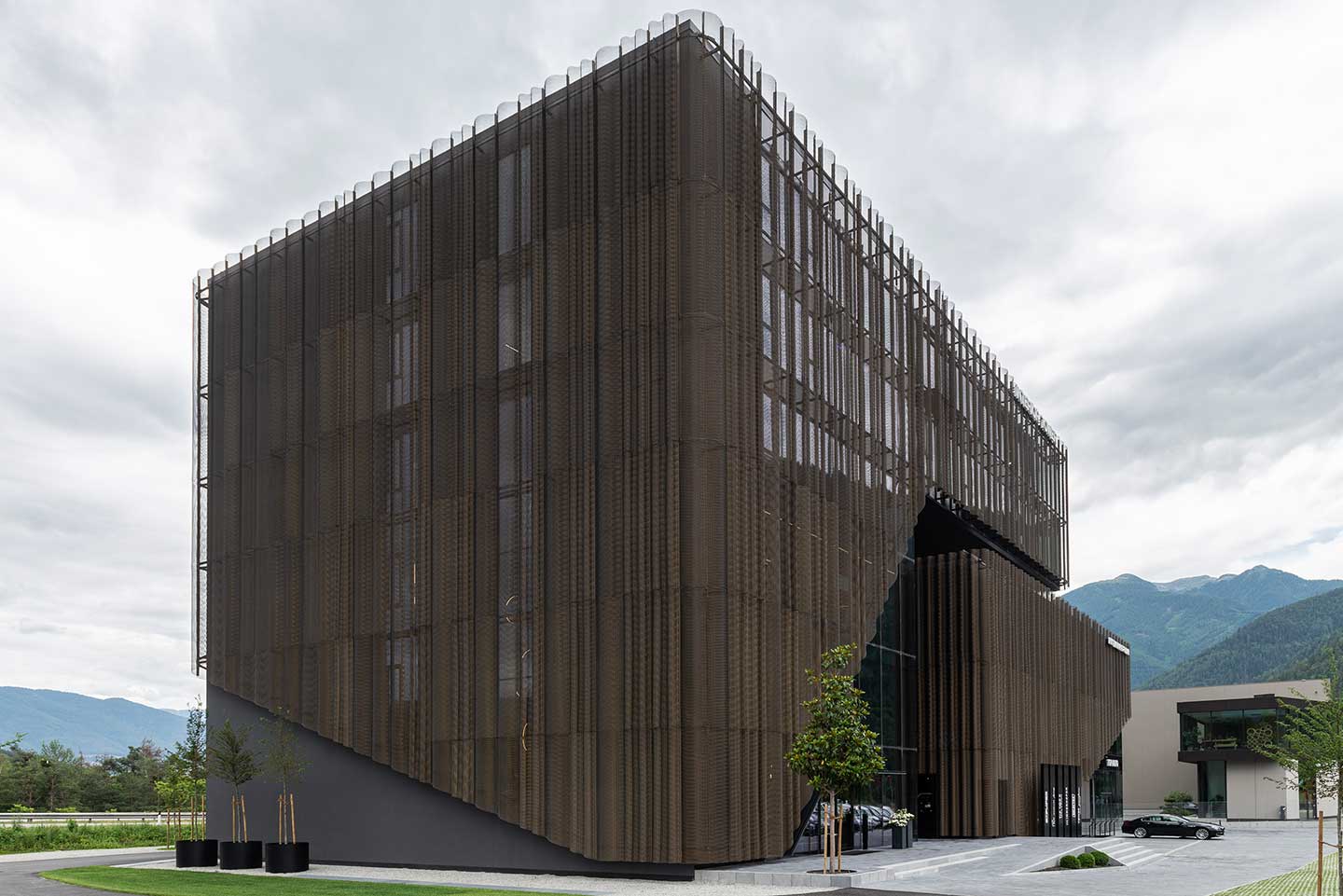
The three main principles of sustainability in architecture are environmental sustainability, social sustainability and economic sustainability. These three pillars mirror the pillars of sustainability in general and ensure that buildings benefit the planet, people and the economy. Working together, the three principles produce structures that are environmentally friendly, socially supportive and financially practical.
Environmental sustainability: reducing the impact on the planet
Environmental sustainability in architecture aims to reduce the environmental impact of a building throughout its life cycle and to minimise resource consumption and waste. Architects pursue environmental sustainability through:
- eco-friendly materials;
- energy-efficient design and advanced technologies;
- renewable energy sources;
- water conservation;
- sustainable construction practices.
The goal of environmental sustainability is a building that coexists harmoniously with nature.
Social sustainability: buildings that support health and community
Social sustainability in architecture focuses on creating spaces that promote health, accessibility and community well-being, because buildings play a vital role in quality of life. Architects pursue social sustainability by designing buildings that:
- encourage social interaction;
- provide inclusive access for all;
- prioritise natural light and ventilation to ensure a healthy environment for occupants and the surrounding community.
Economic sustainability: buildings that make financial sense
Economic sustainability in architecture means designing buildings that are cost-effective to build, maintain and operate. For architecture to be truly sustainable, it must also make economic sense.
Economically sustainable buildings provide long-term value to owners and occupiers. Economically sustainable buildings also contribute positively to the local economy through efficient use of resources and reduced running costs.
What are sustainable materials in architecture?

Sustainable materials in architecture are materials that are durable, environmentally friendly and help to reduce the carbon emissions of construction.
Established examples include recycled steel, reclaimed wood and bamboo, while newer options include carbon-neutral concrete, bio-based insulation, carbon concrete, metal composite foams and self-healing hydrogel.
Expanded metal is also a sustainable material, thanks to a low-waste, low-temperature manufacturing process and easy recyclability.
Choosing sustainable materials often requires architects to balance costs against environmental benefits. Green certifications make it easier to identify materials that meet high sustainability standards.
When it comes to the external impact of buildings, innovative materials are leading the way:
- Carbon concrete is reinforced with carbon fibres, which makes it lighter and allows thinner, yet durable, concrete layers.
- Metal composite foams are made from porous metal filled with gas, which makes them lightweight but still strong.
- Self-healing hydrogel absorbs carbon dioxide from the air and becomes stronger over time.
Even traditional materials like steel and aluminium are being improved to support sustainability. Advanced recycling processes allow steel and aluminium to retain their strength and durability while extending their usable lifespan.
Why is expanded metal a sustainable material for architecture?
Expanded metal is a sustainable material because it is produced by stretching raw metal, a process that yields more finished product from less material, minimises waste and eliminates welding.
For this reason, architects and designers consider expanded metal for projects that combine a distinctive aesthetic profile with sustainability.
The manufacturing process of expanded metal supports sustainability in three ways:
- expanded metal is made by stretching raw metal, so more finished product is created from less material;
- stretching the metal minimises waste and eliminates the need for welding;
- the expansion process is conducted at low temperatures, which reduces energy consumption, and expanded metal is easily recyclable.
The translucency of expanded metal allows natural sunlight to penetrate, helps to reduce heat loss and lowers heating costs. The same translucency enhances the visual appeal of a structure, making expanded metal both practical and stylish.
