Galvanized steel for expanded metal mesh
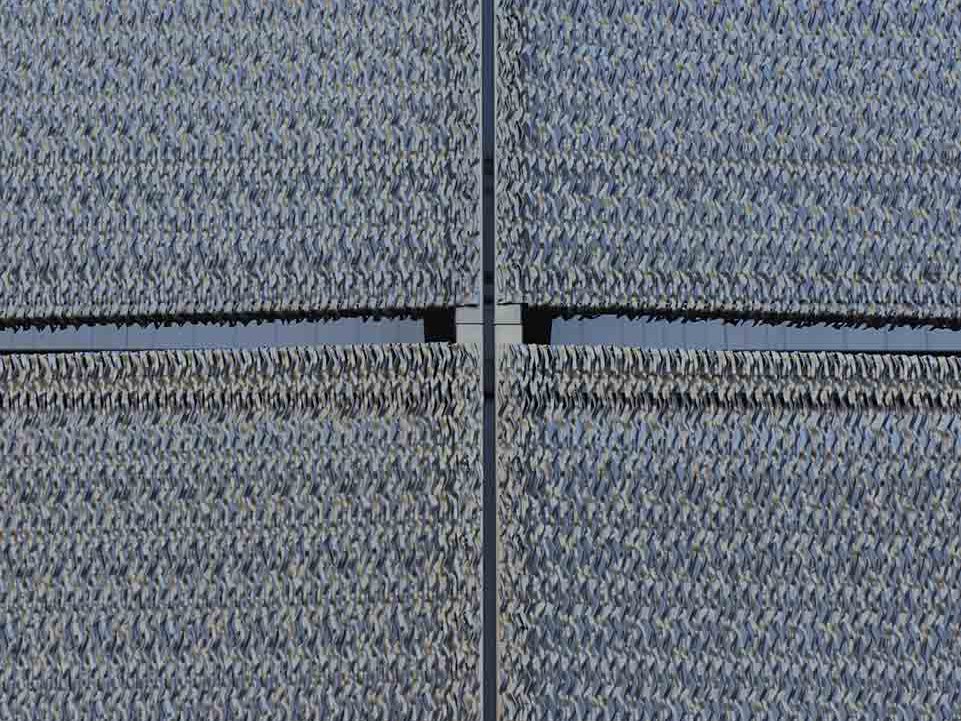
Galvanized steel is a material that ensures durability, corrosion resistance, and reliability. It is no surprise that it is also used in the production of expanded metal mesh for architectural structures exposed to external and atmospheric elements. Let’s explore this topic further.
What is galvanized steel used for?
Galvanized steel is a type of steel that has been coated with a protective layer of zinc to prevent rust and corrosion. This zinc coating acts as a barrier that shields the steel from moisture and oxygen, which are the primary causes of rust.
Galvanization is achieved through a process called hot-dip galvanizing, where the steel is dipped in molten zinc, forming a bonded, protective layer.
Thanks to its qualities, it has a wide range of applications. Here are some of the most common uses.
- Construction and architecture: widely used for structural elements, roofing, and cladding, adding durability and an industrial aesthetic to facades.
- Fencing and gates: rust resistance makes it ideal for outdoor fences, gates, and security barriers, standing up well to weather exposure.
- Automotive industry: many car parts, especially underbodies, frames, and hoods, are built with this material to withstand rust and wear.
- HVAC systems: common in heating, ventilation, and air conditioning ducts, where anti-corrosion ensures lasting performance.
- Outdoor furniture and fixtures: used in benches, lamp posts, and other outdoor furniture, providing a durable, rust-resistant finish for public spaces.
- Agricultural equipment: found in farming equipment like feed troughs, fencing, and storage buildings, withstanding moisture and outdoor conditions.
- Piping and plumbing: frequently used in plumbing for its rust resistance, especially in older structures and water transport systems.
- Marine applications: often used for docks, piers, and smaller boat parts, where it resists mild salt exposure, though it’s less effective in extreme saltwater.
Regarding the architectural and construction sector in detail, galvanized steel is a common choice for expanded metal mesh. The galvanizing process protects it from rust and extends its lifespan, making it ideal for outdoor and industrial applications.
Key benefits of galvanized steel expanded metal mesh
- Corrosion protection. The zinc protects the steel from moisture, which prevents rusting. This makes it well-suited for outdoor use or environments where it may be exposed to water or humidity, like in fencing, security screens, and outdoor structures.
- Longer life. Galvanized expanded metal is highly durable. The coating adds a layer of protection that can withstand harsh environmental conditions, providing a long-lasting solution with minimal maintenance needs.
- Cost-effective. Compared to stainless steel or CorTen, galvanized steel is generally more affordable. It offers good corrosion resistance at a lower cost, making it a budget-friendly option for many projects.
- Versatile applications. Galvanized expanded metal mesh can be used in a wide range of applications, from fences and barriers to walkways, building facades, and industrial platforms. The openings provide ventilation and visibility, along with structural strength.
Does galvanized steel rust?
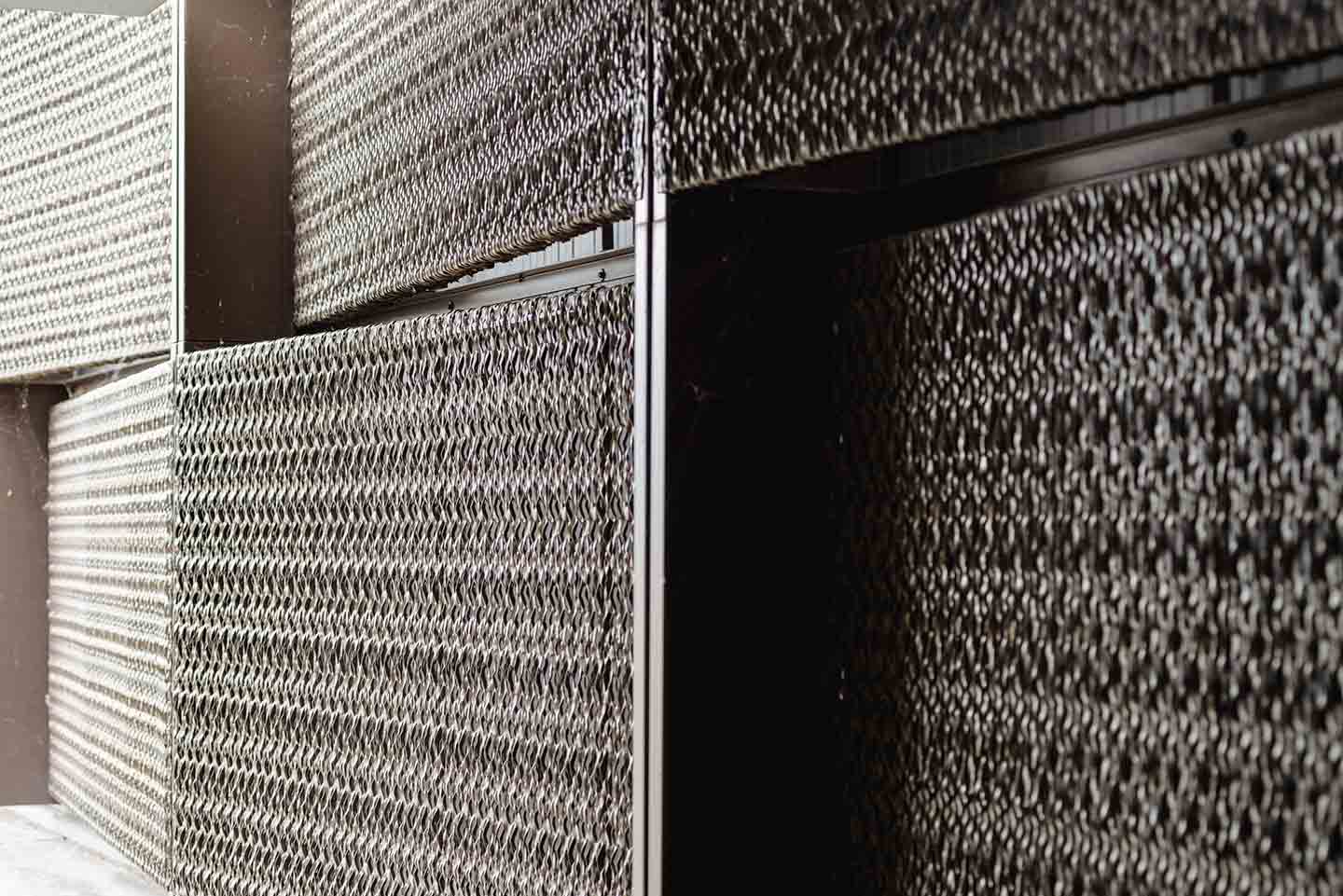
Galvanized steel is highly resistant to rust but can still corrode over time under certain conditions.
The zinc coating on galvanized steel acts as a protective barrier, preventing moisture and oxygen from reaching the steel underneath. This zinc layer also provides cathodic protection — meaning that, even if the coating is scratched or damaged, the surrounding zinc will continue to protect the exposed steel.
Factors that may lead to rust include:
- prolonged exposure to saltwater;
- acidic or harsh environments;
- high humidity and temperature.
In coastal or marine environments, salt exposure can wear down the zinc coating faster, potentially leading to rust. In a similar way, industrial settings with high acidity or pollution can accelerate the corrosion of galvanized steel, reducing its life expectancy. High humidity combined with extreme heat can also wear down the coating over long periods.
Is galvanized steel just a coating?
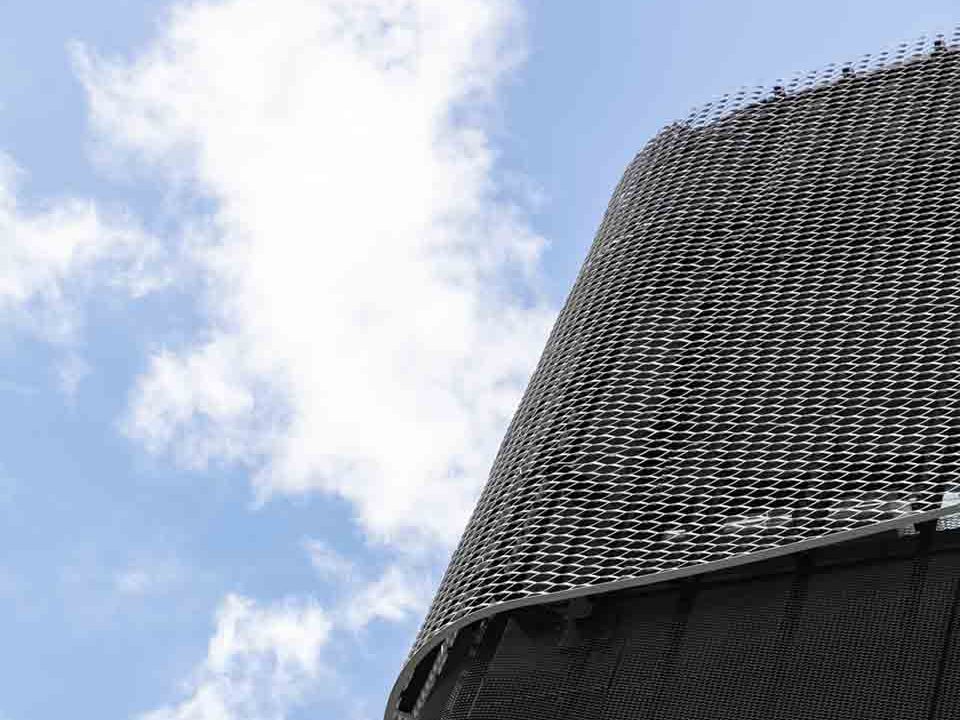
Galvanized steel is essentially regular steel with a protective coating of zinc applied to its surface. This zinc layer is what makes galvanized steel resistant to rust and corrosion. The zinc coating acts as a barrier, preventing moisture and oxygen from reaching the steel beneath, which are the main causes of rust.
The most common process for applying this coating is hot-dip process, where the steel is dipped into molten zinc, creating a strong bond between the zinc and the steel. There are other methods, like electro-galvanizing, where the zinc is applied through an electrical process, although this coating is typically thinner and provides less corrosion resistance.
The zinc coating can eventually wear down over time, especially in harsh environments, but it significantly extends the life of the steel by delaying rust and other corrosion-related damage.
