
What is green architecture? Principles, benefits and examples
The conservation of energy sources and the impact of building materials are among the topics at the core of the green architecture.
The conservation of energy sources and the impact of building materials are among the topics at the core of the green architecture.

Urban regeneration finds solutions to face the social and economic challenges of big cities. Innovative architecture is part of the strategy.

Stainless steel expanded metal is widely used in architecture due to its durability, aesthetic appeal, and corrosion resistance.
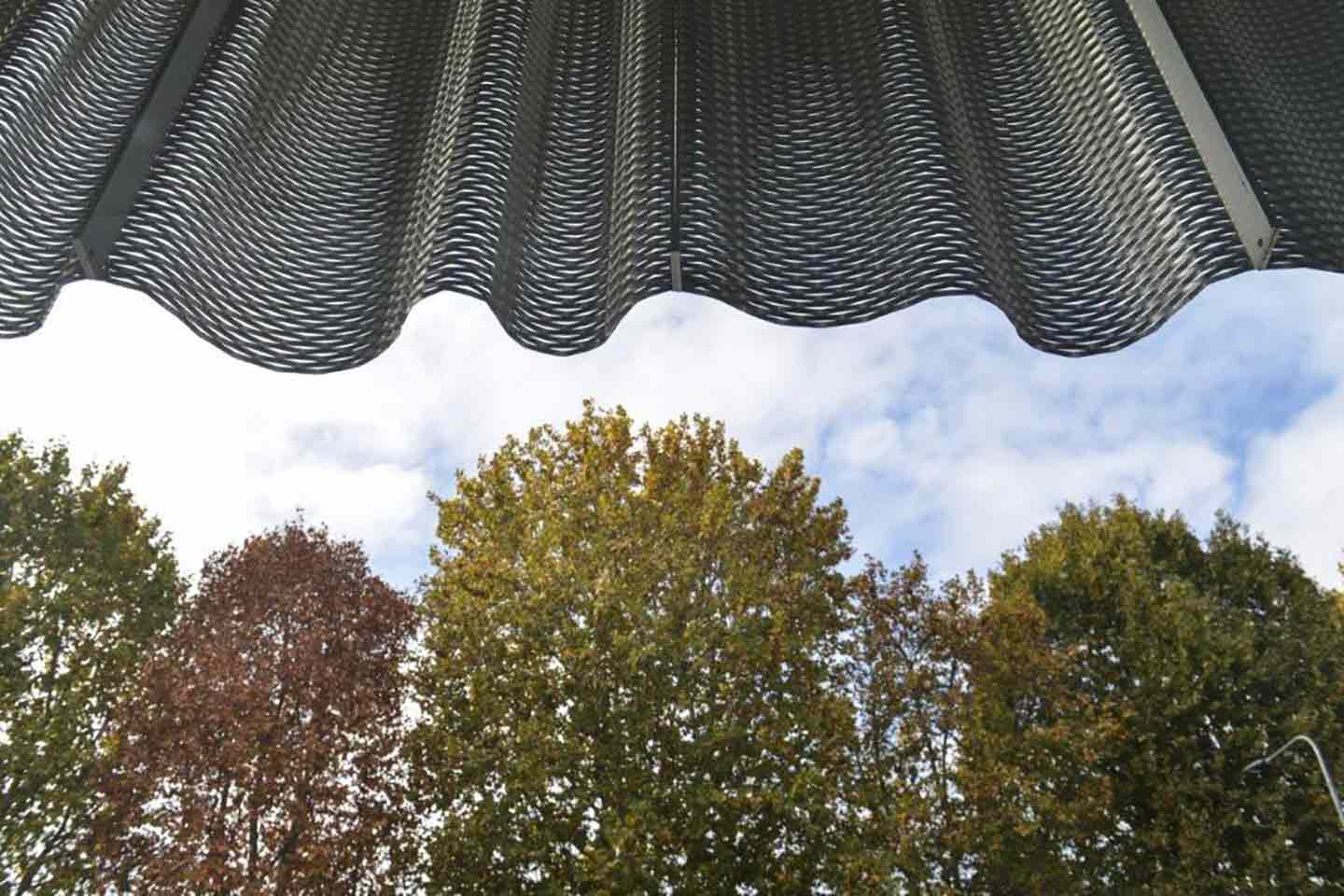
Achitecture and sustainability work together to reduce the environmental impact of buildings with innovative materials and new strategies.

When a building project meet the LEED Certification requirements, it becomes an expample of sustainability and efficiency.

Steel and aluminium are just two examples of sustainable metals since they esnure recyclability, durability and longevity.

Buildings’ energy efficiency plays a pivotal role in paving the way for a more sustainable future. Expanded metal contributes to its achievement.

Expanded metal does not produce any waste and the processing takes place without the use of pollutants. For these reasons, too, it is a sustainable material.

| cookies |
|---|
| cookies |
|---|
| cookies |
|---|