Expanded metal and perforated metal: which is the best?
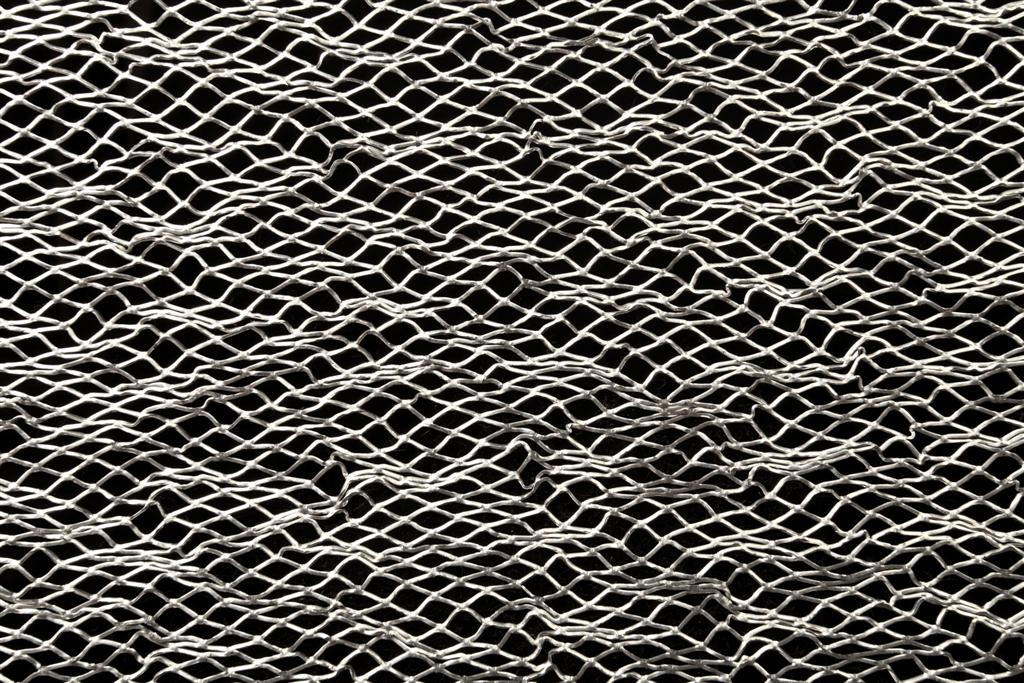
At first glance, expanded metal and perforated metal may look similar, but they are quite different in how they are made and how they look. Let’s explore the main differences between these two materials.
What is perforated metal?
Perforated metal is a versatile material created by punching holes in a sheet of metal. These holes can be in a variety of patterns, shapes and sizes, making it an adaptable solution for many applications.
Perforated metal is widely used in industries ranging from architecture to manufacturing due to its unique combination of functionality and aesthetics.
One of the key benefits of perforated metal is its ability to combine form and function.
- Its designs can enhance the visual appeal of a space while providing practical benefits.
- For example, it offers good light control, making it ideal for sunshades and decorative screens.
- It can also improve the acoustic environment by absorbing or redirecting sound, making it an ideal material for noise control solutions.
The customisability of perforated metal is another feature.
- Industries can choose specific hole sizes and patterns to suit their needs, from simple geometric designs to complex artistic creations.
- This flexibility extends its use to architectural projects, decorative elements and even industrial equipment.
Perforated metal is made from a variety of materials, each offering unique qualities.
- Stainless steel is a popular choice due to its strength and corrosion resistance.
- Lightweight aluminium is ideal for decorative or sound-absorbing applications.
- Galvanised steel, known for its rugged durability, is ideal for harsh environments.
- Copper offers a stylish, corrosion-resistant option for interior and exterior design.
From improving airflow in vehicles in the transport industry to regulating heat and light in architectural projects, perforated metal serves countless purposes.
What is the difference between perforated metal and expanded metal?

Expanded metal also finds application in many fields, from industrial to architectural. In the latter, in particular, it shows all its potential and becomes an aesthetic and structural element that gives a building character.
In fact, it is very popular for facades, solar shading solutions and fencing, but also for interior design elements such as false ceilings.
The open areas on the surface are useful for the flow of air and light: it is no coincidence that it is also used in the construction of garages and warehouses to meet security requirements.
So, what is the difference between expanded metal and perforated metal? Let’s consider manufacturing.
- With perforated metal, holes are punched or drilled into a solid sheet of metal. The process removes material and creates waste.
- With expanded metal, the sheet metal is slit and stretched, creating a mesh of diamond-shaped or hexagonal openings. This process does not remove material, resulting in higher material utilization and making expanded metal a more sustainable choice.
- Due to the removal of material, perforated metal is less strong than expanded metal.
For what regards appearance, perforated metal can have various hole shapes (round, square, slots etc. etc.) and patterns and – apparently – offers more design flexibility.
Actually, expanded metal also provides a very effective visual effect, and the final product does not only include diamond or hexagonal shapes. Thanks to its ductility and the technological development of machinery, it is tailor-made according to the requirements of architects or facade builders to fit the project perfectly.
Finally, anodising and colouring processes add further aesthetic potential and resistance to external agents and wear.
What are the disadvantages of perforated metal?
When considering what is the best solution, it is important to understand perforated metal potential downsides to determine if it is the right choice for a specific application. Let’s see some of the key disadvantages.
- Reduced strength. Perforating a metal sheet removes material, making it weaker than a solid sheet. This reduced strength can limit its use in applications where high structural integrity is required.
- Higher costs. The perforation process adds an extra step in manufacturing, increasing the overall cost of the material. For projects with tight budgets, this can make perforated metal less appealing compared to solid sheet options.
- Sharp edges. The edges around the perforations can be sharp, which could pose a safety hazard if the material is not properly finished. Handling and installation need to be done carefully to avoid injuries.
- Increased surface area. The holes in perforated metal increase its overall surface area, which brings some challenges such as corrosion risk (the greater exposure to elements like moisture and air can speed up corrosion) and difficult cleaning (the intricate hole patterns can make it hard to clean thoroughly).
- Design limitations. Although perforated metal offers many design possibilities, certain patterns or thicker metals may be harder to achieve due to manufacturing constraints. This could restrict its use in some highly specific projects.
