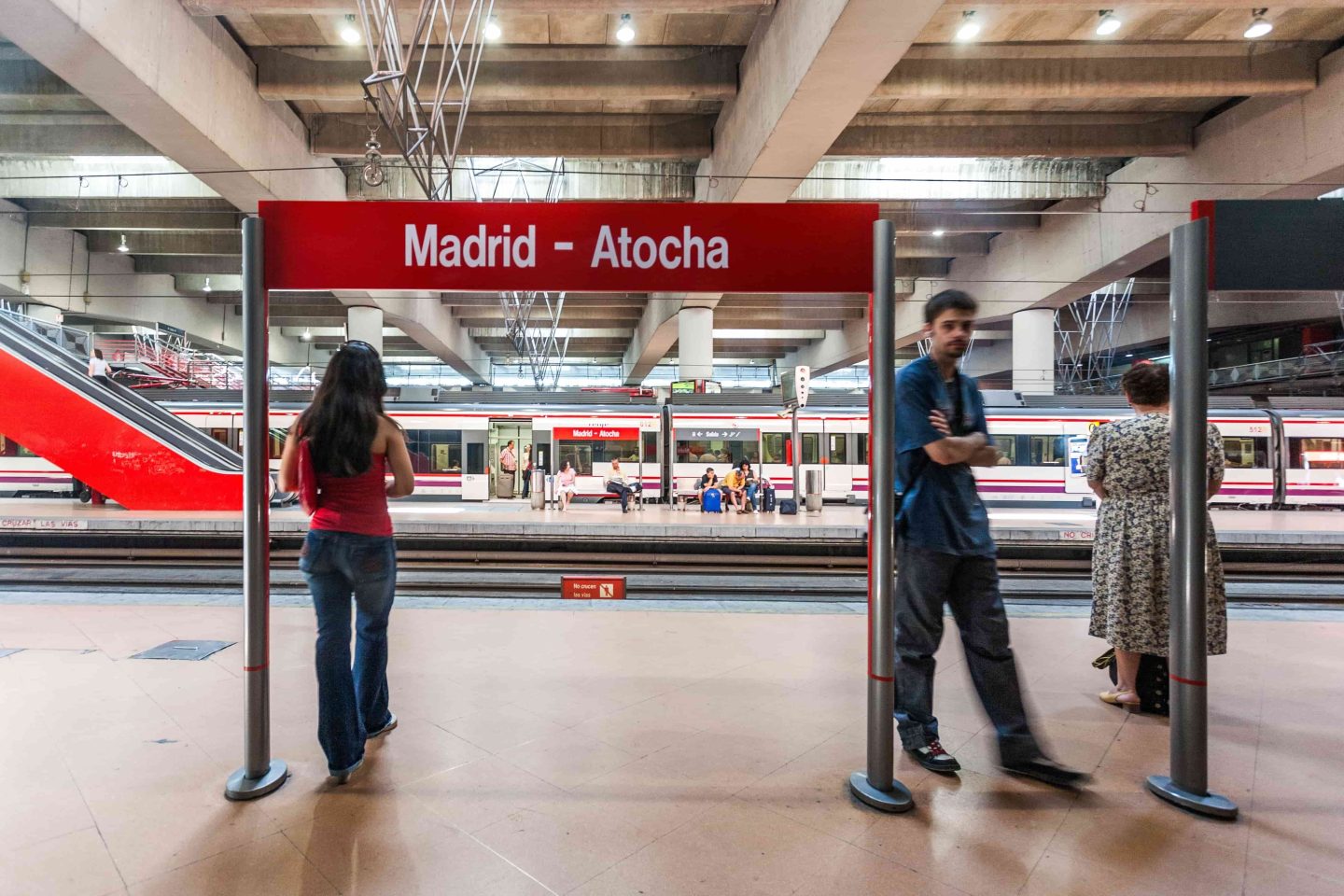
Architecture for train stations: a journey through styles
Architecture is a decisive element for a train station: it shapes it, makes it recognisable and transforms it into a landmark.
Architecture is a decisive element for a train station: it shapes it, makes it recognisable and transforms it into a landmark.

Working with SANAA architects Kazuyo Sejima and Ryue Nishizawa is a significant achievement. They combine talent, vision, and dedication.
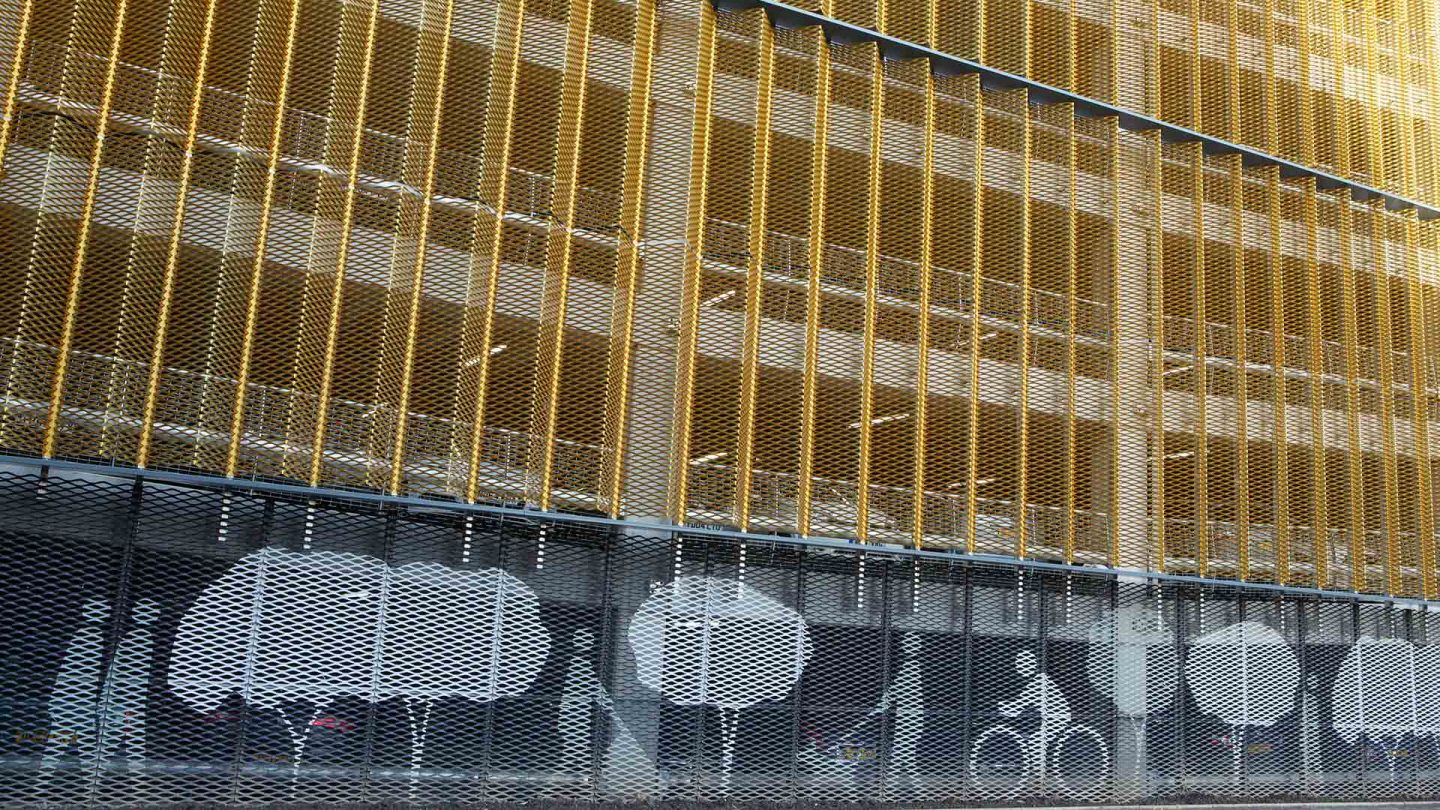
Transit architecture plays an increasingly important role since it gives personality and character to infrastructures.

Sports architecture directly influences athletic performance, fan engagement and can also contribute to the local economy.

Energy-efficient facades enhance insulation and thermal control, reducing energy consumption while improving indoor comfort.

Stainless steel expanded metal is widely used in architecture due to its durability, aesthetic appeal, and corrosion resistance.

| cookies |
|---|
| cookies |
|---|
| cookies |
|---|