Architecture for train stations: a journey through styles
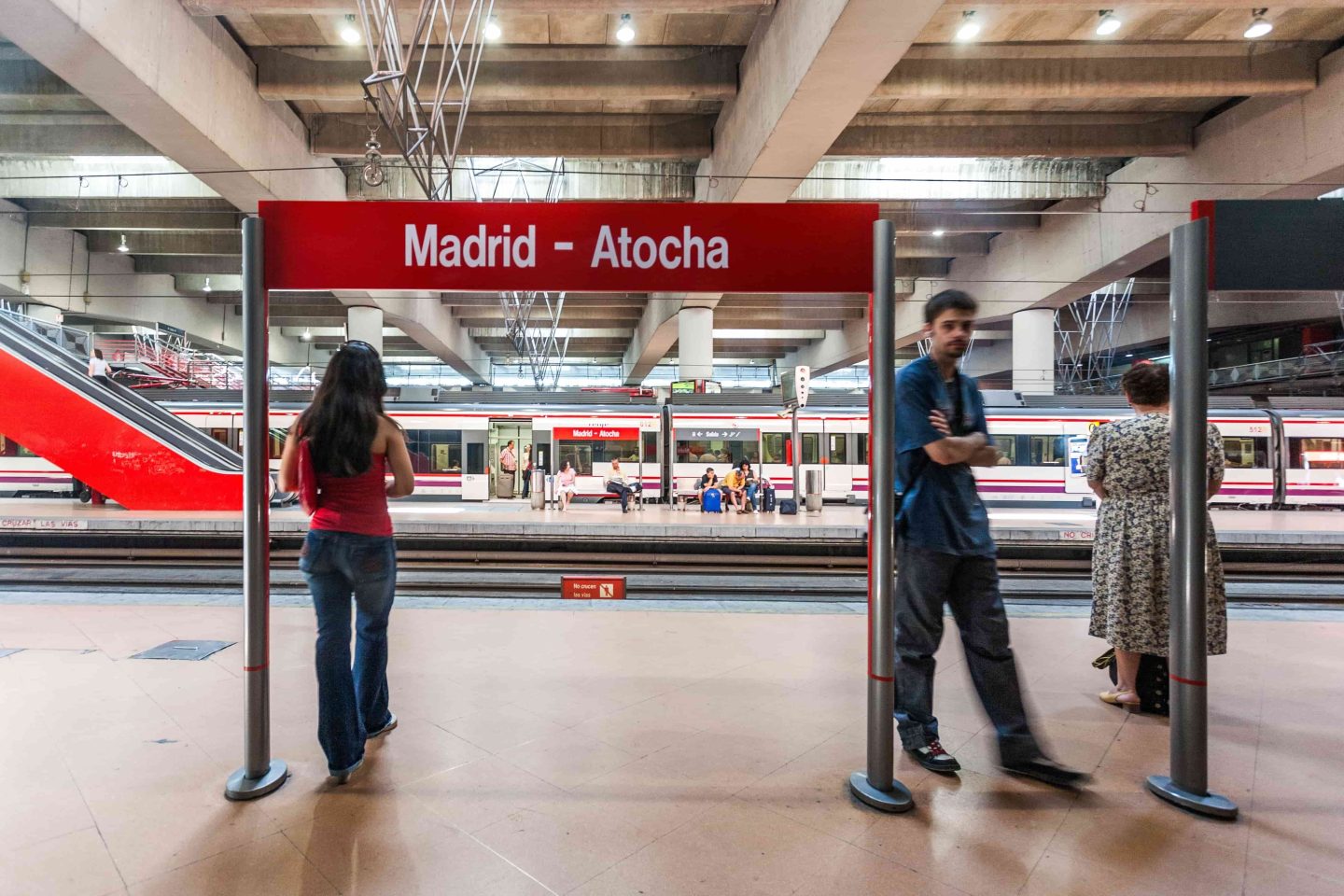
When we think of a railway station, the first thing that comes to mind is people on the move, trains arriving and departing, and the traffic that characterises them, especially in large hubs. However, there is another aspect that identifies stations and can transform them into iconic structures: architecture.
Architecture is a decisive element for a railway station: it shapes it, makes it recognisable and transforms it into a landmark for the history of the city and the community in which it stands. Let’s find out how.
What makes a train station architecturally significant?
The train arrives at the platform and the passenger gets off. At this precise moment, they have their first impression of the city and the destination of their journey. This is why the architecture of railway stations should not be considered a secondary aspect.
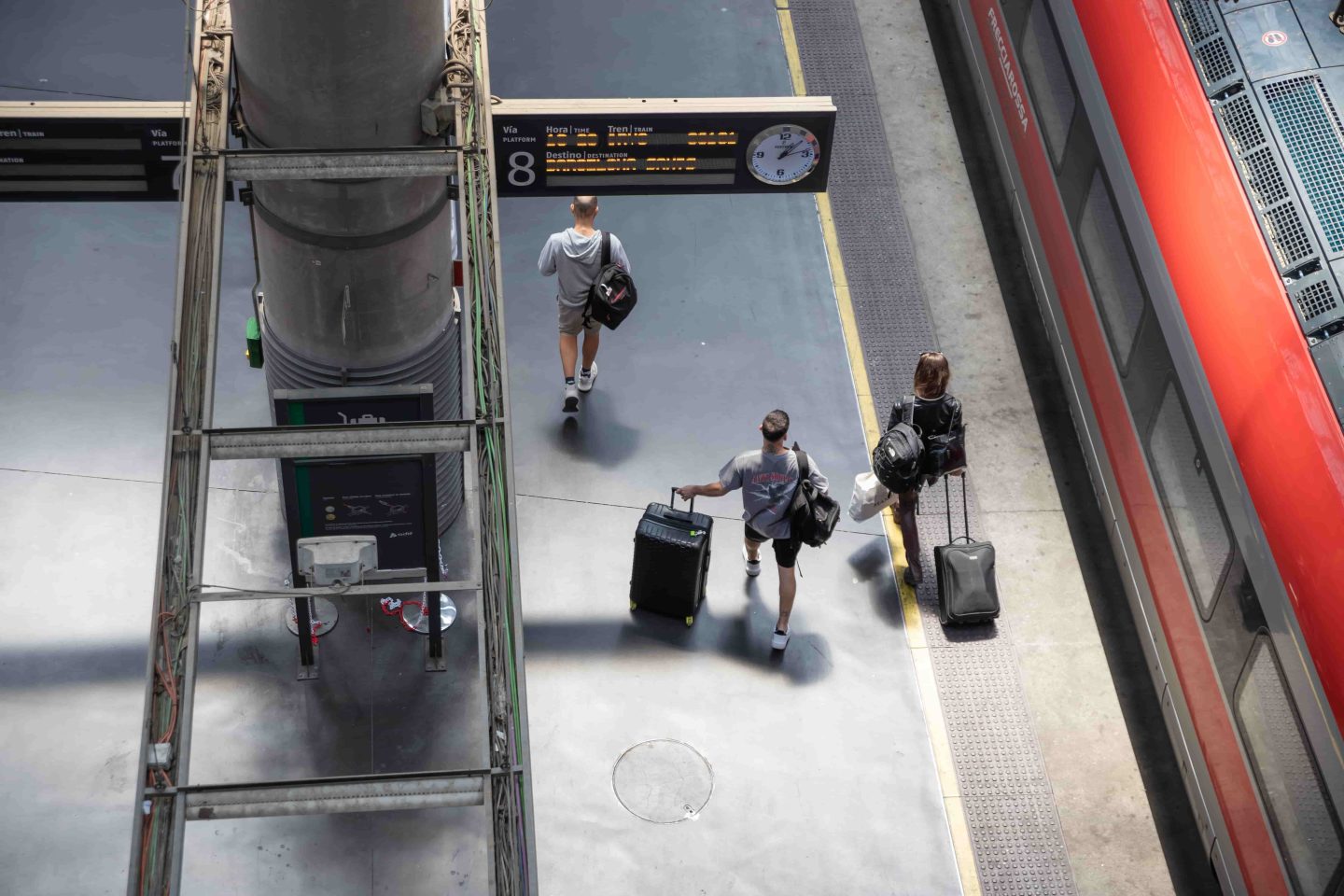
Not only that: a station must be designed to handle large flows of people, ensure safety, integrate technology and create a welcoming space.
Every station tells a story and bears witness to the era in which it was built: from the neoclassical facades of 19th-century European terminals to the avant-garde glass and steel lines that stretch from Asia to the United States and Europe. It is a constantly evolving journey with some key points.
- Scale and flow. As mentioned, railway stations are designed to handle thousands, if not millions, of people efficiently. That’s why they require wide corridors, intuitive signage and smooth transitions between platforms, exits and facilities leading to other modes of transport.
- Materials. Iron and glass have dominated the scene for years, as evidenced by historic hubs such as St Pancras in London and Grand Central Station in New York. Today, architects and designers prefer sustainable materials and technological cladding systems that combine aesthetics and durability.
- Light and space. In the contemporary vision, natural light is another fundamental feature: it contributes to safer, more welcoming and energy-efficient structures.
- Cultural and urban context. Architecture leaves its mark on railway stations, reflecting the surrounding context and the style of the era in which it was designed and built. In this way, they become recognisable places that convey aesthetics and elegance even through their names alone: from the Gare du Nord in Paris to Milan Central Station, from Union Station in Chicago to Puerta de Atocha in Madrid.
Who are the most famous architects of train stations?
The link between architecture and railway stations is proven by the big names who have dedicated themselves to their design.
- If we consider the contemporary era, we find Santiago Calatrava (Liège-Guillemins, Belgium) with his futuristic and sculptural style that relies on white concrete and steel to give dynamism and movement.
- Norman Foster (Canary Wharf Crossrail Station in London, Hong Kong West Kowloon) focuses on elegance and high-tech, with particular attention to transparency, light and ecological design.
- Brightness and transparency are the hallmarks of Genoa’s Piazza Principe station, which was renovated by Renzo Piano to create new functional and welcoming spaces.
Among the names from the past, we find Daniel Bunham, who was a central figure in American architecture in the early 1900s: his stations, including Union Station, are true symbols, imposing and with a rigorous symmetry.
William Henry Barlow, on the other hand, gave London’s St. Pancras station a Victorian Gothic touch, while Victor Laloux combined elegance and modern requirements, as in the case of the Gare d’Orsay in Paris.
Finally, there is the influence of Gustave Eiffel in Madrid’s Atocha railway station, renowned for its unique architecture with a large tropical garden inside. The design after a fire was entrusted to Alberto de Palacio Elissagne, a student of Eiffel, with wrought iron as the characteristic building material.
Why train station architecture matters
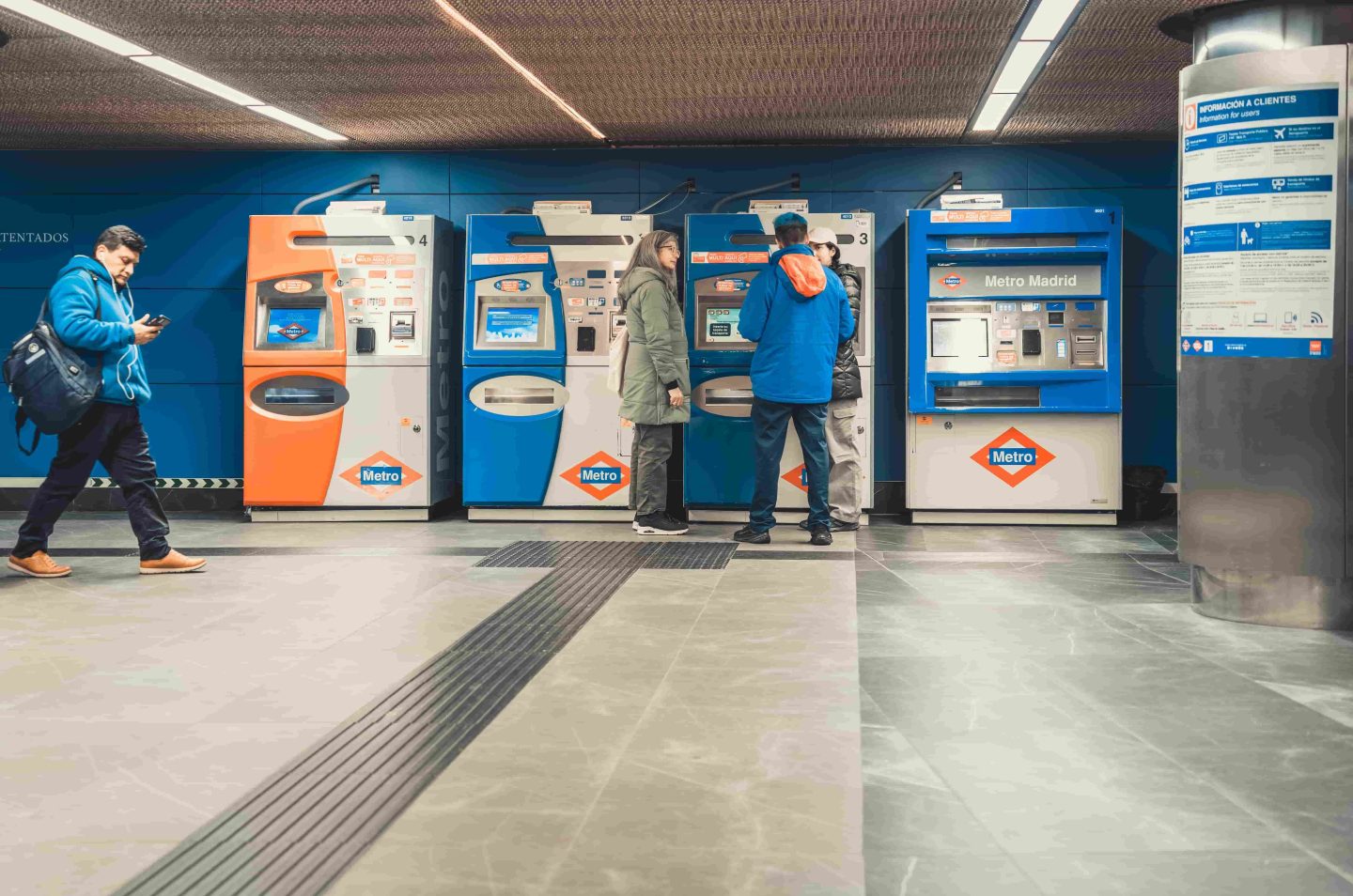
Atocha station demonstrates the positive impact of architecture on crucial infrastructure. The hub is a nerve centre for the country’s high-speed rail network and is connected to the whole city of Madrid by underground.
While the facade and entrance retain all their neo-Gothic features, which provide the backdrop to the impressive tropical garden inside, modern and contemporary lines of steel and glass accompany travellers to the platforms and the metro line. From the refined to the essential, from the elegance of the past to that of today: a journey through styles where details can make all the difference.
Among the solutions used in some areas is expanded metal as a false ceiling: a choice that adds movement and contributes to the play of light in enclosed spaces.
Thanks to its longevity and customised solutions with different shapes and opening areas that make it a geometric and stylish choice, expanded metal is highly regarded by contemporary designers and architects for contributing to the uniqueness and recognisability of buildings and constructions.
What materials are commonly used in train station design?
Steel, which is often used to make expanded metal, is one of the most widely used materials in railway stations today: it has the perfect structural strength for roofing, load-bearing frames and shelters.
What’s more, it goes perfectly with glass, which is used in facades and halls to allow natural light to pass through and improve visibility.
Steel can also be recycled, retaining all its qualities: this is no minor detail, as it contributes to projects that prioritise sustainability and involve the use of other materials such as wood or low-emission concrete.
