Architectural cladding: the best solutions
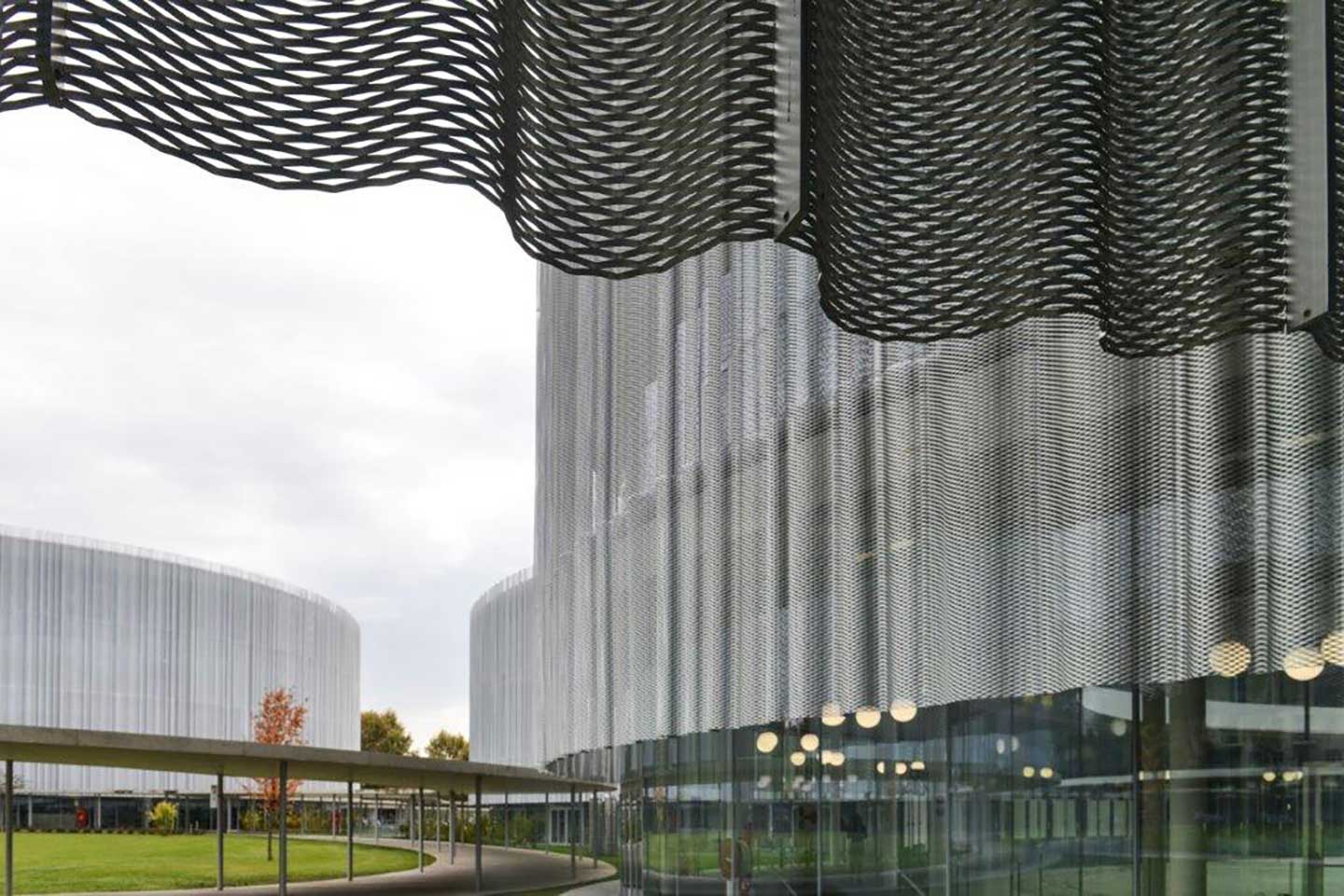
Structural integrity, weather resistance and aesthetic appeal – these are the main goals of architectural cladding for buildings. Today, designers have countless options thanks to the wide range of cladding materials, from wood to metal panels. Let’s explore cladding solutions together.
What is architectural cladding?
Architectural cladding is a key element in building design. It protects the structure and improves how it looks.
Cladding has changed over time. In the past, people used natural materials like wood, stone and brick because they were easy to find and good at keeping out the weather.
During the Industrial Revolution, materials like iron and steel allowed stronger buildings. Later, plastics and fiberglass gave architects more choice.
Today, cladding materials are more sustainable and efficient. They help reduce waste, save energy and even generate power, making buildings greener.
Simply put, architectural cladding means adding one material over another to cover the outside of a building. This outer layer:
- protects the building from bad weather;
- helps with insulation;
- improves fire resistance;
- makes the building look better;
Common cladding materials include:
- wood;
- glass;
- metals;
- composite materials;
- brick;
- concrete.
What are the advantages of architectural cladding?

Architectural cladding is widely used in modern buildings. It makes facades more unique and improves building performance. These are its main benefits.
Better thermal performance
Cladding panels add an extra layer that helps keep indoor temperatures stable. It keeps heat in during winter and out during summer.
This lowers energy use and makes the building more efficient. Advanced cladding materials also reduce heat loss through small gaps.
Protection from moisture
Cladding blocks rain and humidity, helping to prevent mold, rot and water damage.
Many cladding systems include a gap between the cladding and the wall. This allows air to circulate and moisture to dry out, keeping the building dry and healthy inside.
Stronger protection
Cladding materials protect buildings from wind, rain, sunlight and temperature changes.
This helps reduce wear over time and keeps the building stronger and safer for longer.
Better visual appeal
Cladding also improves how a building looks.
With many colors, finishes and patterns to choose from, cladding panels let architects create any style – from sleek modern to traditional. It gives endless design options.
What is an example of cladding?

There are many types of architectural cladding, depending on the material used. Each one offers different looks and features.
- Wood cladding gives buildings a warm, natural look. It can create both modern and traditional styles. Exotic wood panels give a bold feel, while classic wood siding is timeless.
- Stone cladding includes natural or engineered stone like granite or marble panels. It offers elegant finishes, whether the design is modern or traditional. Modern construction makes stone easier to use, even though it’s heavy.
- Glass cladding uses glass panels to create a clean, transparent design. Glass can be clear, frosted or reflective, depending on the project.
- Metal cladding is strong, versatile and stylish. It includes materials like steel, aluminum and copper. Metal panels are widely used for their durability and modern look.
A great example of metal cladding is expanded metal.
Expanded metal meets all the main needs of cladding: it’s energy-efficient, protective and visually interesting. Its mesh openings let air and sunlight pass through, helping with ventilation and light control.
It protects the structure and adds depth through colour and shape. Surface treatments like anodising improve its durability, so it stays looking good over time.
Expanded metal also works very well with other popular cladding materials, especially glass. That’s why it’s used in many modern buildings, from offices to schools.
What is the difference between facade and claddign?
It’s important to know the difference between a facade and cladding. They both relate to the building’s exterior, but they’re not the same.
The facade is the full outer surface of a building. It includes:
- windows, doors and decorative parts;
- elements that shape the building’s look;
- the overall style and identity.
The facade shows the building’s character.
Cladding, on the other hand, is the layer of material applied to the outside. It serves to:
- protect from weather;
- improve insulation and energy use;
- reduce noise and increase durability;
- enhance appearance.
Cladding is part of the facade. It improves both function and style.
In short:
- the facade is the entire outer face of the building;
- cladding is the layer added on top for protection and design.
Together, they define how a building looks, performs and lasts.
