Architecture and sustainability: the innovative combination
Architecture and sustainability are coming together to reshape the way we design, build and maintain our spaces. This approach focuses on reducing environmental impact through the use of smart design, innovative building materials and renewable energy sources.
By making sustainability a priority, architects and developers are addressing global challenges such as climate change, dependence on fossil fuels and high CO2 emissions.
How does architecture relate to sustainability?
Sustainable design aims to create buildings that work in harmony with nature. This means using less energy, reducing waste and choosing sustainable materials. Architects and developers now plan for the entire life cycle of a building, from construction to demolition. The aim is to create structures that are energy efficient and improve the quality of life for the people who use them.
Green choices are becoming key elements in building design.
- Features such as solar panels, green roofs and recycled materials help to reduce a building’s carbon footprint. Green roofs, for example, improve insulation, reduce energy consumption, support urban wildlife and manage rainwater to prevent excessive water consumption.
- Cities are introducing stricter building codes and offering incentives to promote green architecture. This shows a collective effort to protect the environment and build a sustainable future.
- Using renewable energy is one of the best ways to reduce a building’s environmental impact. Solar energy, in particular, is becoming an essential part of sustainable design. Solar panels installed on buildings generate clean energy, reducing reliance on fossil fuels and cutting CO2 emissions.
Some architects are finding creative ways to incorporate solar technology, such as using solar-integrated facades and photovoltaic glass. These features not only impact on energy consumption, but also enhance the appearance of the building, combining sustainability with modern design. After all, reducing energy consumption is a fundamental part of sustainable architecture.
The materials used in construction are crucial to the sustainability of a building, too. Options such as recycled steel, reclaimed wood and bamboo are popular because they are durable and environmentally friendly. Innovations such as carbon-neutral concrete and bio-based insulation are also helping to reduce carbon emissions.
For architects, choosing sustainable materials often means balancing costs with environmental benefits. Tools such as green certifications make it easier to find materials that meet high sustainability standards.
How do you incorporate sustainability in architecture?
Solar panels, updated regulations, innovative materials, and more are helping make architecture more sustainable. But there are also other ways architects and designers can improve the way buildings interact with the environment.
One smart solution is adding energy-efficient appliances to homes. By using home automation systems, homeowners can monitor and control energy use, especially for heating. These systems not only reduce a home’s carbon footprint but also help save on energy bills.
When it comes to the external impact of buildings, innovative materials are leading the way.
- Carbon concrete. Reinforced with carbon fibers, this material is lighter and allows for thinner, yet durable, concrete layers.
- Metal composite foams. Made from porous metal filled with gas, these materials are lightweight but still strong.
- Self-healing hydrogel. This material absorbs carbon dioxide from the air and becomes stronger over time, making it highly sustainable.
- Transparent aluminum. Created by bombarding aluminum with X-rays, it is extremely strong and can be used as a structural material for windows.
Even traditional materials like steel and aluminum are being improved to support sustainability. Advanced recycling processes allow these metals to maintain their strength and durability while extending their usable lifespan.
By combining smart design, new technologies, and innovative materials, architects are creating buildings that are better for the planet while remaining practical and efficient. Sustainable architecture is all about finding the balance between environmental responsibility and functional design.
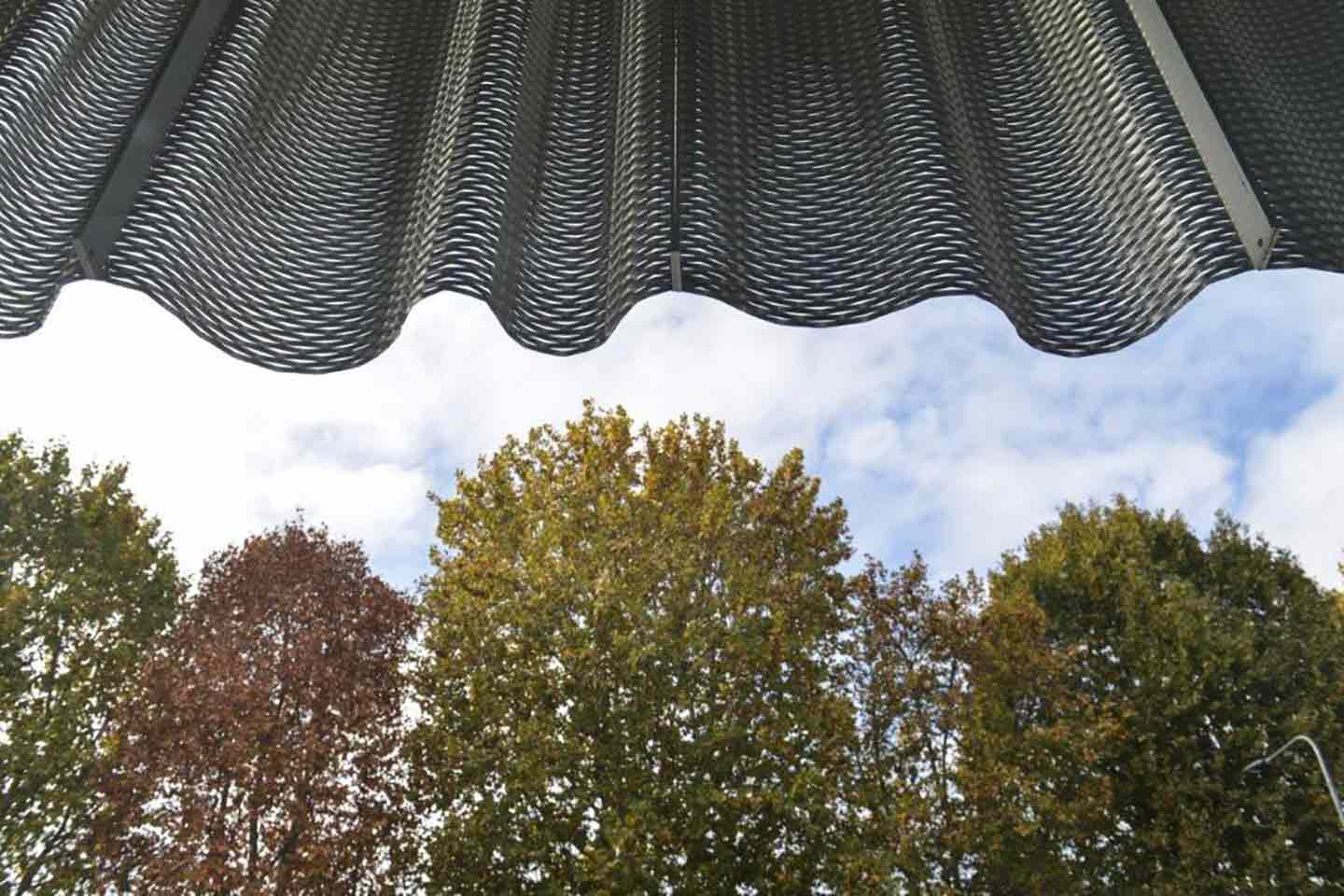
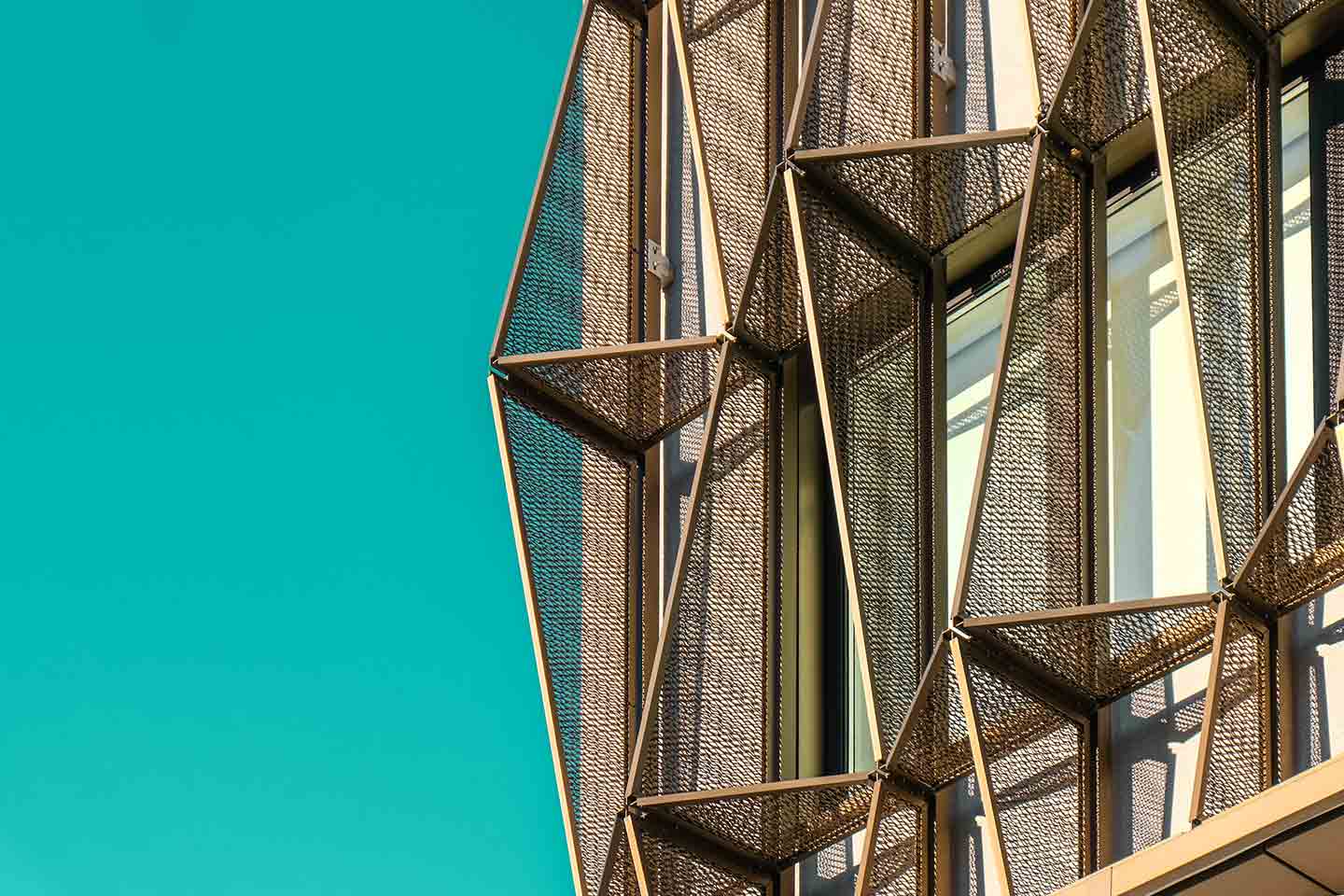
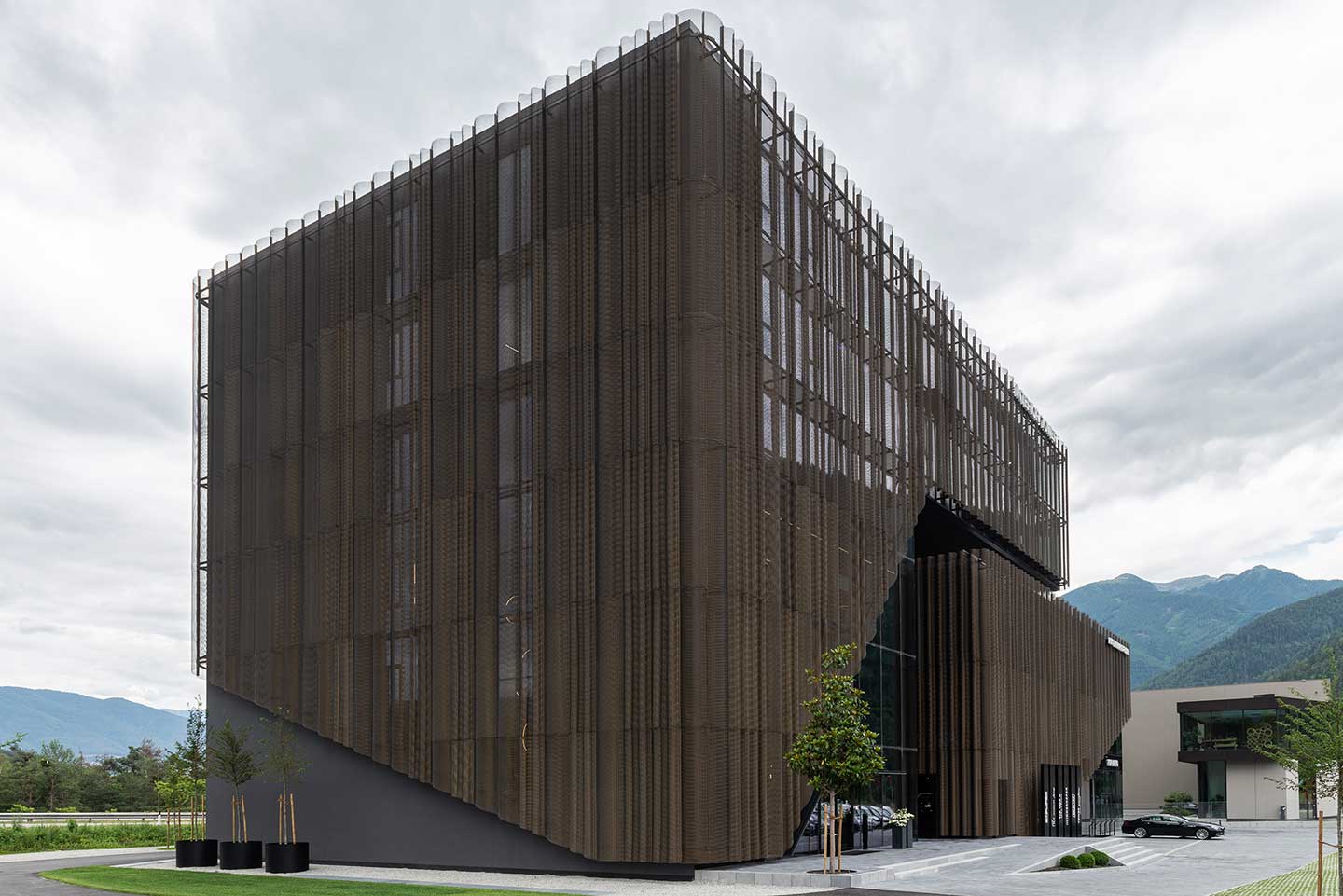
It is no surprise, then, that expanded metal is seriously considered by architects and designers working on projects that combine a unique aesthetic profile with sustainability.
- Expanded metal is made by stretching raw metal, allowing more finished product to be created from less material.
- This efficient method minimizes waste and eliminates the need for welding.
- Additionally, the process is conducted at low temperatures, which reduces energy consumption and makes the material easily recyclable.
One of the standout features of expanded metal is its translucency.
- This quality helps reduce heat loss, allows natural sunlight to penetrate, and lowers heating costs.
- At the same time, its design enhances the visual appeal of structures, making it both practical and stylish.
Advanced anodizing and painting techniques ensure that expanded metal maintains its durability over time. These treatments not only protect it from wear and weather-related corrosion but also offer a wide range of color and finish options to meet diverse design needs.
What is the role of architects in sustainable development?
Sustainability in architecture is not just a choice—it is essential. Architects play a key role in creating buildings that are not only attractive but also eco-friendly, energy-efficient, and cost-effective.
Let’s consider the key strategies that architects use to achieve sustainability.
- Smart site planning. Before starting a design, architects carefully study the site’s climate, plants, wind patterns, and natural features. This helps them position buildings to get the most sunlight, natural airflow, and minimal impact on the environment.
- Compact and efficient design. Sustainable buildings use space wisely. Architects design smaller, more efficient layouts by reducing areas like hallways and services, maximizing usable space, and using building systems that cut down on construction waste.
- Energy efficiency. Architects add features like insulation, energy-efficient windows, and renewable energy systems like solar panels and geothermal energy. Some buildings can even produce their own power, reducing the need for non-renewable energy sources.
- Water conservation. Water-efficient designs are critical. This includes using special plumbing fixtures, reusing greywater, collecting rainwater, and planting landscapes that need little watering. These strategies save water and protect local resources.
- Healthy indoor air. Good air quality is a top priority. Architects use non-toxic, low-chemical materials and ensure buildings have plenty of natural light and ventilation. Adding indoor plants not only improves air quality but also brings a natural feel to the space.
- Sustainable materials. Locally sourced and natural materials are preferred because they are eco-friendly, durable, and often recycled. These choices reduce the environmental impact of construction and lower costs in the long run.
- Design for the climate. Architects adapt buildings to local weather conditions. They use techniques like shading, passive cooling, and energy-efficient layouts to create spaces that stay comfortable while using less energy.
Architects have a unique ability to combine creativity with responsibility. By designing buildings that blend seamlessly with their surroundings and meet the highest standards of efficiency, they ensure that our built environment supports a sustainable future.
From reducing carbon footprints to improving indoor environmental quality, architects are at the forefront of creating spaces that improve our lives while protecting the planet.
What are the pillars of sustainable architecture?
Based on the analysis, the pillars of sustainable architecture align closely with those of sustainability in general. It is based on three key principles that ensure buildings are designed to benefit people, the planet and the economy. These pillars work together to create structures that are environmentally friendly, socially supportive and financially practical.
Environmental sustainability
This pillar aims to reduce the environmental impact of buildings throughout their lifecycle. Architects focus on using environmentally friendly materials, energy efficient designs and advanced technologies to minimise resource consumption and waste.
By prioritising renewable energy sources, water conservation and sustainable construction practices, environmental sustainability ensures that buildings coexist harmoniously with nature.
Social sustainability
Buildings play a vital role in improving the quality of life. Social sustainability focuses on creating spaces that promote health, accessibility and community well-being.
Architects design buildings that encourage social interaction, provide inclusive access for all, and prioritise natural light and ventilation to ensure a healthy environment for occupants and the surrounding community.
Economic sustainability
For architecture to be truly sustainable, it must also make economic sense. Economic sustainability focuses on designing buildings that are cost-effective to build, maintain and operate.
These buildings provide long-term value to owners and occupiers, while making a positive contribution to the local economy through efficient use of resources and reduced running costs.
