Quality and pure form: the impact of minimalist architecture

It is a style which emphasises simplicity, functionality, and a sense of order. It also prioritises structure, light, materials and space over ornamentation and decoration. Let’s find out what minimalist architecture is and what are its key elements.
What is minimalist architecture?
Minimalist architecture is a style of building design that focuses on being simple and practical. It avoids unnecessary decorations and uses clean lines, open spaces, and lots of natural light. The goal is to create spaces that feel calm, neat, and relaxing.
This style is popular with people who like modern and uncluttered designs.
- Simple design. The phrase “less is more” describes minimalist architecture well. It avoids complicated details and focuses on basic geometric shapes and forms. This creates spaces that feel open and free of clutter.
- Functional spaces. In minimalist design, everything has a purpose. Every part of the building is designed to be useful, keeping the overall look clean and simple.
- Natural light. Large windows and open layouts are common in minimalist buildings. These let in plenty of natural light, making the space feel bright and connected to the outdoors.
- Neutral colours. Minimalist architecture uses soft, neutral colours like white, grey, and earthy tones. These colours create a peaceful and timeless look.
- Focus on quality. Instead of filling a space with lots of items, minimalist architecture uses fewer but higher-quality materials. Concrete, wood, and glass are popular choices to create a modern yet cosy feel.
Minimalist architecture highlights the basic structural elements of a building, showcasing its simplest and purest form. These designs often avoid decorative features, making the building itself the centre of attention.
However, the absence of decoration doesn’t make these spaces boring. Minimalist architecture uses simplicity to create spaces that are both unique and visually striking. Thoughtfully selected angles, materials, and lighting play a key role in achieving maximum impact with minimal elements.
An important part of this design style is the use of empty space. While in other styles empty space might seem unused, for minimalist architects it draws focus to the essential parts of the design, or even to the beauty of the simplicity itself.
Colours play a vital role in minimalist style and reflect the focus on simplicity. Neutral tones like white, grey, black, and soft shades are commonly used to create a calm and understated look.
Regarding the materials used, they are simple and functional, too. Materials such as steel, stone, concrete, and glass not only match the neutral colour scheme but also maintain the clean, uncluttered essence of the design without any unnecessary decoration.
Who is the father of minimalism?
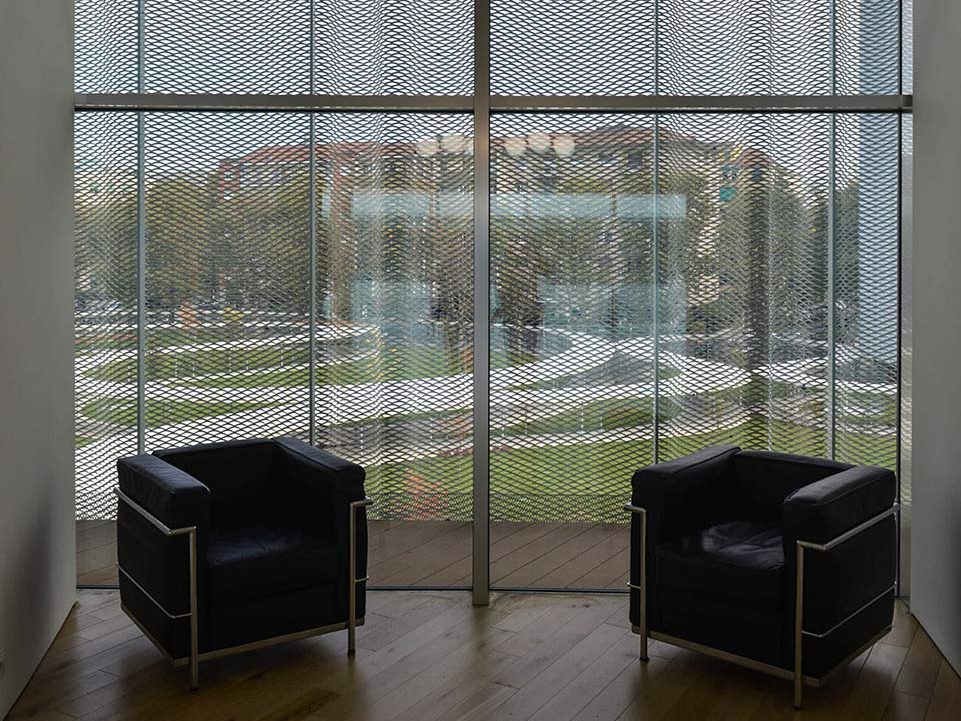
The “father of minimalism” in architectural design is often considered to be Ludwig Mies van der Rohe, a German-American architect. He was one of the pioneers of modern architecture and is credited with popularising the minimalist principle of “less is more.”
Mies van der Rohe’s designs emphasise simplicity, clarity, and the use of modern materials like steel and glass.
Notable examples of his minimalist architectural works include:
- Barcelona Pavilion (1929)
- Farnsworth House (1951)
- Seagram Building (1958, in collaboration with Philip Johnson)
His philosophy of reducing design to its essential elements greatly influenced the modern minimalist movement, shaping not only architecture but also design, art, and even lifestyle trends.
Among the most contemporary examples of architects considered minimalist are the Japanese firm SANAA. Their designs are distinguished by simplicity, transparency, fluid forms, and subtlety.
While SANAA’s minimalist style is less austere than that of architects like Mies van der Rohe, their emphasis on simplicity, clarity, and a deep connection to nature reflects the essential principles of minimalism.
The new Bocconi Campus, home to the prestigious international university in Milan, reflects these characteristics, enhanced by the choice to utilise the potential of expanded metal for the building’s facade.
Minimalist architecture and expanded metal: a perfect match
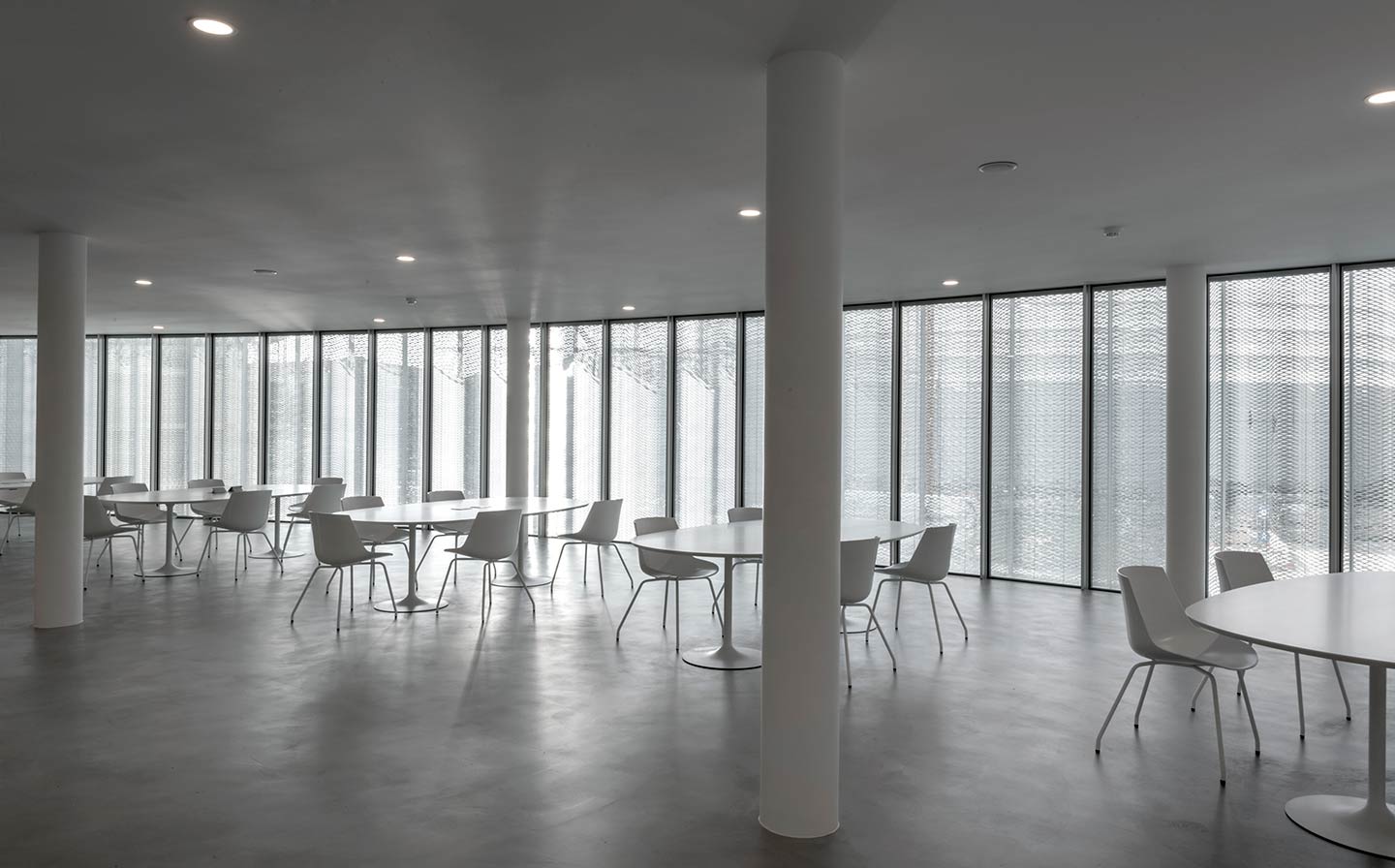
The combination of clean lines, geometric shapes, and materials like steel makes expanded metal an ideal solution for projects inspired by minimalist design. It is practical, simple, and modern and matches the minimalist idea of combining function with beauty.
- Simple and eye-catching design. Expanded metal has clean, geometric patterns that suit minimalist spaces. Its repeated, even design adds interest without making the space feel busy or cluttered.
- Practical and versatile. Minimalist design values materials that are useful, and expanded metal fits perfectly. It can be used for building facades, room dividers, railings, ceilings, or even as sunshades. It’s lightweight, strong, and works well for both practical and decorative purposes.
- Enhances light and space. Expanded metal allows natural light to pass through, which is essential in minimalist architecture. Its open structure creates interesting shadows and keeps spaces feeling bright and open.
- Neutral and modern look. Materials like steel, aluminium, and stainless steel are common in expanded metal and fit minimalist design. The metallic finishes look clean and natural, so there’s no need for extra decoration.
- Eco-friendly choice. Minimalist architecture often focuses on sustainability, and expanded metal supports this. It’s recyclable, long-lasting, and energy-efficient to produce, making it an environmentally friendly option for modern buildings.
What is the difference between modern and minimalist architecture?
The difference between modern and minimalist architecture lies in their principles, goals, and design approaches. While the two styles share some similarities, they are distinct in key ways.
Definition and origins
- Modern architecture. It originates from the early 20th century as part of the broader Modernist movement. It focuses on rejecting traditional architectural styles (like Gothic or Victorian) and embraces functionality, industrial materials, and new construction techniques.
- Minimalist architecture. It evolved later, influenced by Modernism but also by Japanese Zen aesthetics and movements like De Stijl. It emphasises extreme simplicity, purity, and reduction to the essential elements.
Key characteristics
- Modern architecture. It focuses on functionality and form following function, combining clean lines with open spaces. It uses a variety of materials, including concrete, glass, and steel, often showing their structural roles. It may also incorporate expressive or decorative elements that celebrate materials and craftsmanship.
- Minimalist architecture. It strips down to the bare essentials, focusing on harmony and balance, and avoids any ornamentation or excessive detail. It uses neutral or monochromatic colour palettes, simple forms, and a sense of calm. Minimalist architecture often employs a “less is more” design philosophy with uncluttered spaces and a seamless integration of indoor and outdoor environments, reducing the environmental impact of the structure.
Aesthetic intent
- Modern architecture. It aims to innovate and reflect the technological and cultural changes of its time. Modern architecture can be more experimental and expressive while maintaining a focus on function.
- Minimalist architecture. It seeks to create serene, timeless spaces that evoke a sense of peace. It also strives for timeless simplicity rather than reflecting cultural trends.
